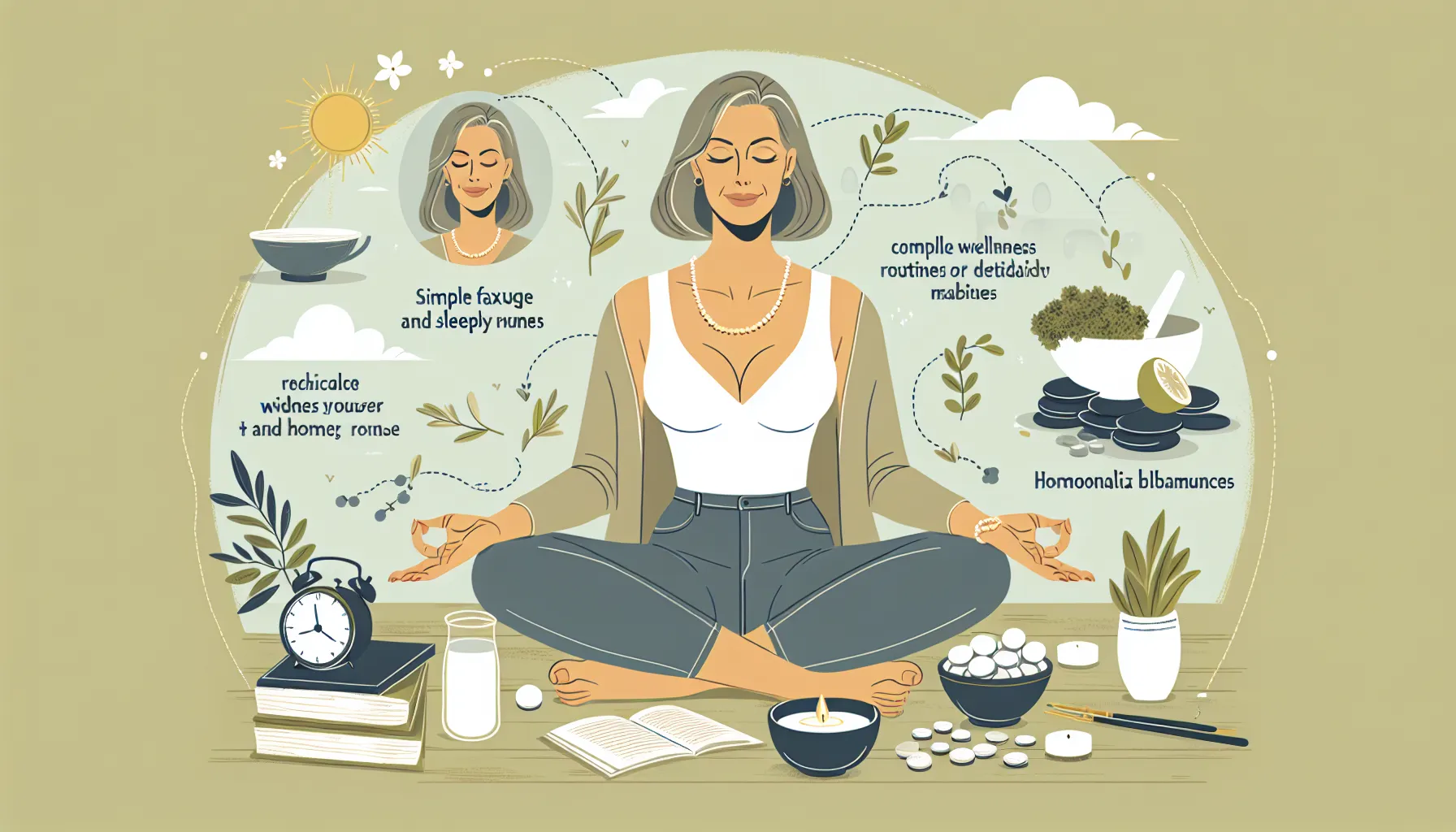
Feeling overwhelmed by the daily demands of work and home life is something many of us can relate to, especially as we navigate our 40s. With countless responsibilities and expectations weighing us down, it’s easy to feel stressed out and drained. But what if I told you there are simple yet effective ways to refresh your body and mind right in your everyday routine? In this article, we’ll explore practical tips and strategies tailored for women like you, seeking to reclaim vitality and joy amidst the chaos.
Stress relief doesn’t have to be complicated or time-consuming. By understanding the hidden sources of stress in our lives and learning how to manage them, we can create a more balanced and fulfilling existence. From quick relaxation techniques to effective dietary choices, let’s dive into the secrets that will help you unwind and revitalize your spirit!
- Discover common causes of stress in both work and home environments.
- Learn simple, effective techniques for quick relaxation.
- Understand the connection between diet and mental wellness.
Causes of Stress Hidden in Daily Life
Understanding Work-Related Stress
One of the most significant sources of stress for many women in their 40s comes from the workplace. Whether you’re managing a team, meeting deadlines, or juggling multiple projects, the pressure can feel relentless. It’s essential to recognize that work-related stress often stems from factors such as unclear expectations, lack of support, or even a toxic work environment. Acknowledging these stressors can help you take proactive steps toward finding relief.
Furthermore, the constant connectivity of our digital age can blur the lines between work and home life. Many of us find it challenging to disconnect from emails or work-related calls, leading to a feeling of being “always on.” This can create an underlying tension that affects not just your professional performance, but your overall well-being. Identifying these triggers is vital in developing effective stress management strategies.
As a result, it’s crucial to set boundaries in your work life. Consider designating specific hours for work and unplugging during your personal time. Communicating openly with your colleagues and supervisors about your workload and needs can also foster a healthier work environment.
- Recognize and address unclear work expectations.
- Set boundaries to separate work time from personal time.
- Communicate openly with colleagues to create a supportive environment.
Stress Factors at Home
Home can be both a sanctuary and a source of stress, especially when juggling family responsibilities and household tasks. It’s common for women to take on the bulk of domestic duties, from cooking to managing schedules, which can lead to feelings of being overwhelmed. It’s essential to acknowledge these responsibilities and understand how they impact your mental health.
In addition, family dynamics can contribute to stress. Conflicts or misunderstandings among family members can create an emotionally charged environment. Taking time to address these issues through open communication and shared responsibilities can help alleviate some of that pressure. Remember, it’s okay to ask for help and to share tasks with your partner or children, creating a more balanced household.

If you’re looking for additional ways to manage stress and rejuvenate, you might find our article on Essential Stretching Techniques for Fatigue Recovery Every Woman in Her 40s Should Know! particularly beneficial. It offers practical stretching methods designed to help alleviate fatigue and improve your overall well-being, making it a great complement to the strategies discussed here.
- Acknowledge and share household responsibilities.
- Foster open communication to resolve family conflicts.
- Make time for yourself amidst family obligations.
Simple Ways to Relieve Stress
Quick Relaxation Techniques
Incorporating quick relaxation techniques into your daily routine can be a game-changer when it comes to stress relief in daily life. These methods don’t require a lot of time or special equipment, making them easy to fit into even the busiest schedules. For instance, deep breathing exercises can be done anywhere – whether you’re at your desk or in line at the grocery store. Simply inhaling deeply through your nose, holding for a few seconds, and exhaling slowly can help reset your mind and reduce tension almost instantly.
Another effective technique is mindfulness meditation. Taking just a few minutes to focus on the present can enhance your awareness and promote a sense of calm. You don’t need to set aside an entire hour; even five minutes can make a difference. Consider using a meditation app or guided sessions to get started. It’s all about finding what works best for you and creating a habit of stepping back to breathe and reflect.
Furthermore, physical activities like stretching or a quick walk can also serve as excellent stress relievers. Movement helps release endorphins, which are known to boost your mood. A brief walk outside, even if it’s just around the block, can refresh your mind and give you a new perspective on your stressors. Remember, it’s important to listen to your body and do what feels good for you.
Finally, don’t underestimate the power of a good laugh! Engaging in something that makes you laugh, whether it’s a funny video or a chat with a friend, can be a fantastic way to release tension. Laughter not only lightens your mood but also helps to lower stress hormones, making it a simple yet effective technique for stress relief.
- Practice deep breathing exercises for instant calm.
- Try mindfulness meditation for a few minutes daily.
- Incorporate physical movement like stretching or walking into your routine.
The Importance of Hobbies
Hobbies play a crucial role in stress relief, particularly for women balancing various responsibilities in their 40s. Engaging in activities you love provides a much-needed escape from daily pressures. Whether it’s painting, knitting, or gardening, dedicating time to a hobby can help you recharge and regain focus. It’s not just about having fun; it’s about enhancing your overall well-being and giving yourself permission to enjoy life.
Moreover, hobbies allow for creative expression, which can be incredibly therapeutic. When you immerse yourself in something you’re passionate about, it takes your mind away from stressors and fosters a sense of accomplishment. This can be particularly beneficial when you feel overwhelmed by other commitments. By finding joy in your hobbies, you create a positive feedback loop that contributes to your happiness and stress relief.
- Set aside time each week to engage in hobbies you love.
- Explore new interests to keep things fresh and exciting.
- Utilize your hobbies as a way to express creativity and unwind.
The Relationship Between Diet and Stress
Foods That Help Reduce Stress
The connection between what we eat and how we feel is stronger than many realize. Certain foods can significantly impact our stress levels and overall mental wellness. Incorporating a variety of nutrient-rich foods into your diet can be a powerful ally in managing stress relief in daily life.
For instance, foods rich in omega-3 fatty acids, such as salmon, walnuts, and flaxseeds, have been shown to reduce anxiety and improve mood. These healthy fats support brain health and can help maintain your emotional balance. Similarly, whole grains like brown rice and quinoa can help stabilize blood sugar levels, which is crucial for managing stress. When your blood sugar dips, it can lead to irritability and mood swings, making it essential to fuel your body with the right nutrients.
Additionally, don’t forget the importance of fruits and vegetables. Colorful produce like berries, leafy greens, and citrus fruits are packed with antioxidants and vitamins that combat oxidative stress in the body. They also contribute to overall physical health, which plays a significant role in mental well-being. Embracing a colorful plate not only nourishes your body but also provides a visual reminder to prioritize your health.
Lastly, consider incorporating herbal teas into your routine, particularly chamomile or green tea. These beverages have calming properties and can be a soothing ritual to enhance relaxation. Taking a moment to sip on a warm cup can provide a brief escape from the chaos of daily life, allowing you to reset your mind and recharge.
- Include omega-3 rich foods in your meals for better mood regulation.
- Opt for whole grains to help stabilize blood sugar levels.
- Add a variety of colorful fruits and vegetables to your diet for essential nutrients.
Timing of Meals and Mental Health
The timing of your meals can also have a significant impact on your mental health. Skipping meals or eating at irregular intervals can lead to fluctuations in blood sugar levels, which may increase feelings of stress and anxiety. Establishing a consistent eating schedule can help regulate your mood and energy levels throughout the day.
Furthermore, it’s essential to pay attention to portion sizes and balance in your meals. Eating too much in one sitting can lead to lethargy, while not eating enough can leave you feeling drained and irritable. Aim for balanced meals that include proteins, healthy fats, and complex carbohydrates. This combination will provide sustained energy and help keep your mood stable.
Lastly, consider mindful eating practices. Taking the time to enjoy your food without distractions can enhance your dining experience and promote a sense of calm. Focusing on the textures and flavors of your meals allows you to connect with your food, which can be a simple yet effective form of stress relief. By being present during meals, you can cultivate a more positive relationship with food and support your mental well-being.
For those looking to further enhance their well-being, you might find our article on Boost Your Energy! Effective Ways for Women in Their 40s to Use Vinegar for Fatigue Recovery particularly insightful. It explores practical methods to incorporate vinegar into your diet, which can support your energy levels and overall vitality.
- Establish a consistent eating schedule to maintain energy levels.
- Balance your meals with proteins, healthy fats, and carbohydrates.
- Practice mindful eating to enhance relaxation and enjoyment during meals.
Habits to Maintain Mental and Physical Health
Revisiting Daily Routines
Creating a daily routine that prioritizes both mental and physical health can greatly contribute to effective stress relief in daily life. By reassessing your current habits, you can identify areas that may need adjustments. For instance, consider the first hour of your day. Are you starting it by scrolling through emails or social media? This habit can set a stressful tone for the day ahead. Instead, try incorporating a morning ritual that includes a few minutes of stretching or meditation to help center your mind.
Additionally, incorporating regular breaks throughout your day can greatly enhance your productivity and well-being. Short pauses to step away from your desk or take a few deep breaths can rejuvenate your focus and help prevent burnout. Perhaps schedule a quick walk during your lunch break or set a timer to remind yourself to get up every hour. These small adjustments can make a significant difference in how you feel as the day progresses.
Moreover, evening routines are just as crucial for winding down after a busy day. Establishing a consistent bedtime routine can signal your body that it’s time to relax. Consider activities like reading a book, taking a warm bath, or practicing gentle yoga. These calming practices can help transition your mind away from the stresses of the day and prepare you for a restful night’s sleep.
- Assess your morning routine and replace stressful habits with calming ones.
- Incorporate regular breaks throughout your day for better focus.
- Create a soothing evening routine to prepare for sleep.
Improving Sleep Quality
Quality sleep is a cornerstone of maintaining good mental and physical health. When we skimp on sleep, it can lead to increased stress levels, irritability, and even physical health issues. Therefore, prioritizing sleep hygiene is essential. Start by creating a sleep-friendly environment: keep your bedroom dark, cool, and quiet. Consider using blackout curtains or a white noise machine to enhance your sleep experience.
Furthermore, be mindful of your pre-sleep activities. Engaging in stimulating activities, such as watching intense shows or scrolling through social media right before bed, can disrupt your ability to fall asleep. Instead, aim for at least an hour of screen-free time before bed. Use this time to read, listen to calming music, or engage in a relaxing hobby to help signal your body that it’s time to wind down.
Lastly, try to maintain a consistent sleep schedule. Going to bed and waking up at the same time every day can help regulate your body’s internal clock, leading to improved sleep quality. Even on weekends, try to avoid drastic changes to your schedule. This consistency can enhance your overall energy levels and mood throughout the week.
- Create a sleep-friendly environment to enhance rest.
- Engage in calming activities before bedtime to promote relaxation.
- Maintain a consistent sleep schedule, even on weekends.
Conclusion
In conclusion, managing stress and rejuvenating your spirit is not only possible but can be seamlessly integrated into your daily routine. By recognizing the common stressors that arise both at work and at home, you can take proactive steps to alleviate their impact on your life. Whether it’s setting boundaries in your professional environment or sharing responsibilities with family members, every small change can lead to significant improvements in your overall well-being.
Additionally, incorporating simple relaxation techniques and fostering hobbies can create pockets of joy amidst the chaos. Remember, taking time for yourself is not a luxury but a necessity for your mental health. Prioritizing activities that bring you happiness will not only enhance your mood but also empower you to handle daily challenges more effectively.
Moreover, paying attention to your diet and sleep habits can have profound effects on your stress levels and mental clarity. By choosing nourishing foods and establishing a calming bedtime routine, you can create a supportive environment for both your body and mind to thrive. Consistency in these habits will help reinforce a greater sense of balance in your life.
To wrap up, it’s important to remember that taking steps toward stress relief doesn’t have to be overwhelming. With the strategies outlined in this article, you can begin to reclaim your vitality and enjoy a more fulfilling life.
- Identify and address stressors in work and home environments.
- Incorporate relaxation techniques and hobbies into your daily routine.
- Maintain a balanced diet and prioritize good sleep hygiene.
We would love to hear your thoughts! Please leave a comment below sharing your favorite stress relief strategies or any challenges you face in managing stress in daily life.