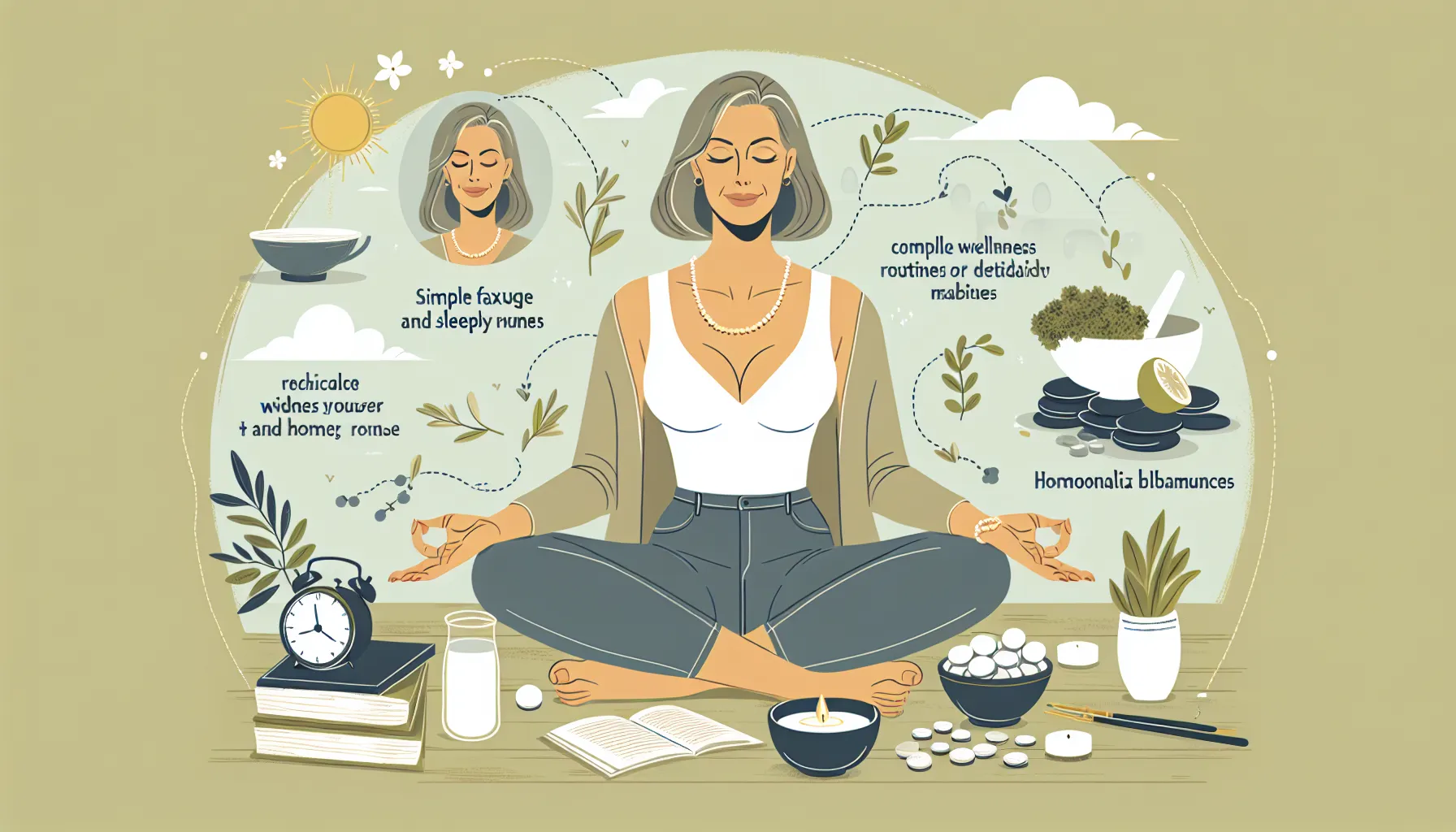
Are you feeling overwhelmed by the daily grind? Many women in their 40s find themselves juggling work, family, and personal responsibilities, leaving little time for self-care and relaxation. If you’re seeking ways to recharge and restore your energy, incorporating music into your relaxation routine can be a game-changer. In this article, we’ll explore the soothing effects of Mozart’s music and how it can help create a tranquil environment for your mind and body.
Discover how to seamlessly integrate relaxation techniques and Mozart’s beautiful compositions into your daily life. From creating the perfect playlist to enhancing your work breaks, these tips will empower you to embrace moments of calm amid the chaos. Let’s dive into the world of relaxation through music and unlock a revitalized you!
- Explore the benefits of relaxation for both mind and body.
- Learn how to incorporate Mozart’s music into your daily routine.
- Discover specific Mozart pieces that can help soothe fatigue.
The Importance of Relaxation and the Effects of Mozart’s Music
Benefits of Relaxation for Mind and Body
In our fast-paced lives, the importance of relaxation often gets overlooked. Yet, taking time to unwind is crucial for our overall well-being. Regular relaxation can help reduce stress levels, which is especially important for women in their 40s who may be facing increased responsibilities at work and home. By allowing yourself moments of calm, you can improve your mental clarity and emotional resilience, making it easier to handle daily challenges.
Moreover, relaxation plays a vital role in physical health. When you engage in relaxation techniques, your body can release tension and lower blood pressure, contributing to a healthier cardiovascular system. This not only helps you feel better physically but also boosts your immune system, allowing you to fend off illnesses more effectively. In essence, prioritizing relaxation can lead to a happier, healthier life.
Additionally, relaxation can enhance your sleep quality, which is often disrupted by stress and daily demands. By incorporating relaxation practices into your routine, you may find it easier to drift off to sleep and wake up feeling refreshed. This rejuvenation is essential for maintaining energy levels throughout the day, enabling you to tackle your responsibilities with renewed vigor.
Finally, relaxation fosters a greater sense of self-awareness and mindfulness. When you take time to breathe and reflect, you create space to understand your emotions and thoughts better. This self-awareness can lead to improved decision-making and a more balanced approach to life’s ups and downs.
- Regular relaxation reduces stress and enhances emotional resilience.
- Improved physical health through lower blood pressure and a stronger immune system.
- Better sleep quality leads to increased energy levels and productivity.
How Mozart’s Music Affects Relaxation
Mozart’s music, characterized by its harmonious melodies and intricate structures, has been found to have a profound impact on relaxation. Research suggests that listening to classical music, particularly Mozart, can lower heart rates and reduce anxiety levels. This effect can create a calming atmosphere, making it an excellent addition to your relaxation routine.
The soothing sounds of Mozart can help you disconnect from the hustle and bustle of daily life. By creating a serene environment, you’re more likely to engage in mindfulness practices, such as meditation or gentle yoga. As you immerse yourself in his music, you may find that your worries fade away, allowing you to focus on the present moment.
- Listening to Mozart can lower heart rates and reduce anxiety.
- Creates a calming atmosphere conducive to mindfulness practices.
- Helps you disconnect from daily stresses and focus on the present.
Relaxation Methods Incorporating Mozart
How to Integrate Music into Daily Life
Integrating Mozart’s music into your daily routine can be both simple and rewarding. Start by curating a playlist filled with his most calming pieces. Consider including selections like “Clair de Lune” or “Piano Concerto No. 21,” which are known for their soothing qualities. You can play this playlist during quiet moments at home, whether you’re cooking dinner or enjoying a warm bath. The gentle melodies will create a peaceful ambiance that encourages relaxation.
Another effective way to enjoy Mozart’s music is by pairing it with your relaxation practices. For instance, if you’re practicing yoga or meditation, playing his compositions in the background can enhance your experience. The rhythms and harmonies can help you enter a deeper state of calm, allowing you to focus more on your breathing and the movements of your body. This synergy between music and mindfulness can amplify the benefits of your relaxation techniques.
Additionally, consider setting aside specific times during your day for dedicated listening. Perhaps you could enjoy a few minutes of Mozart while sipping your morning coffee or winding down before bed. These intentional moments can act as anchors in your day, reminding you to pause and recharge. Over time, you’ll likely find that these small changes lead to significant improvements in your overall well-being.
Finally, don’t hesitate to explore different settings for listening to Mozart. Whether you’re at home, in the car, or even outdoors, his music can provide a sense of calm that transforms various environments into serene spaces. The key is to remain open to the experience, allowing the music to wash over you and facilitate relaxation wherever you are.
- Create a calming playlist featuring Mozart’s most soothing pieces.
- Pair music with relaxation practices like yoga or meditation for enhanced benefits.
- Set specific times in your day to intentionally listen to Mozart’s compositions.
Ways to Listen to Relaxation Music During Work Breaks
Taking music breaks during your workday can significantly boost your focus and reduce stress. For instance, consider setting a timer to remind yourself to take a short break every hour. During these breaks, play a few calming tracks from your Mozart playlist. This brief escape can clear your mind and improve your productivity, making it easier to tackle the tasks ahead.
Moreover, you can use noise-canceling headphones to create a personal sanctuary, blocking out distractions while you immerse yourself in the music. This setup can be particularly beneficial in noisy office environments. Even just five to ten minutes of listening can help you reset your mind and approach your work with renewed energy and creativity.

If you’re interested in exploring more ways to enhance your relaxation through music, you might find this article on Discover the Power of Music for Fatigue Recovery! Relaxation Tips for Women in Their 40s particularly helpful. It delves into the benefits of music for fatigue recovery and offers practical tips that you can easily incorporate into your daily routine to boost your well-being.
- Schedule short music breaks every hour to recharge your mind.
- Use noise-canceling headphones to create a personal music sanctuary.
- Enjoy even brief listening sessions to enhance productivity and creativity.
Lifestyle Habits for Relaxation
Tips for Creating a Better Sleep Environment
A restful night’s sleep is paramount for rejuvenating your body and mind, especially for women in their 40s who often juggle numerous responsibilities. To enhance your sleep environment, start by ensuring your bedroom is cool, dark, and quiet. Consider investing in blackout curtains to block out any light and use a white noise machine or a fan to drown out distracting sounds. This serene atmosphere can help signal to your body that it’s time to wind down.
Additionally, incorporate relaxing elements into your bedtime routine. Playing soft Mozart melodies as you prepare for sleep can help calm your mind and set the stage for restful slumber. You might also consider engaging in a brief wind-down activity, such as reading a book or practicing gentle breathing exercises. This allows your body to transition from the day’s hustle to a state of relaxation, making it easier to fall asleep.
Moreover, it’s essential to establish a consistent sleep schedule. Going to bed and waking up at the same time each day can help regulate your body’s internal clock. This consistency fosters better sleep quality, further enhancing your energy levels throughout the day. Remember, the goal is to create a sanctuary that encourages relaxation, enabling you to recharge effectively.
Lastly, be mindful of your evening habits. Limiting screen time before bed and avoiding caffeine in the hours leading up to sleep can significantly improve your sleep quality. Embrace a calming pre-sleep routine that includes the soothing sounds of Mozart, allowing you to drift off peacefully.
- Ensure your bedroom is dark, cool, and quiet for optimal sleep.
- Incorporate soft Mozart melodies into your bedtime routine.
- Establish a consistent sleep schedule to regulate your internal clock.
Recommendations for Stretching and Yoga
Incorporating stretching and yoga into your lifestyle can significantly enhance your relaxation efforts. These practices not only help relieve tension in your body but also promote mindfulness and mental clarity. Start with simple stretches that target areas where you may hold stress, such as your neck and shoulders. Even a few minutes of gentle stretching each day can lead to greater flexibility and a sense of calm.
Yoga, in particular, is an excellent way to combine movement with relaxation. Consider attending a local class or following an online session that incorporates calming music, such as Mozart’s compositions. The combination of deep breathing, focused movement, and soothing melodies can create a deeply relaxing experience. This holistic approach helps you connect with your body, promoting both physical and mental well-being.
- Incorporate simple stretches into your daily routine to relieve tension.
- Explore yoga classes that use calming music for a more relaxing experience.
- Focus on deep breathing techniques to enhance mindfulness during practice.
Specific Examples of How Mozart’s Music Can Soothe Fatigue
Recommended Mozart Works
When it comes to soothing fatigue, certain pieces of Mozart’s music stand out for their calming effects. One such masterpiece is “Piano Concerto No. 21,” often referred to as the “Elvira Madigan” concerto. Its gentle melodies and serene tempo can create a peaceful oasis, making it perfect for unwinding after a long day. Another notable piece is “Serenade No. 13,” commonly known as “Eine kleine Nachtmusik.” This composition exudes a lightness that can lift your spirits and help dissipate stress.
For moments when you need an extra dose of tranquility, consider “Ave Verum Corpus,” a choral work that envelops you in its soothing harmonies. The ethereal quality of this piece can act as a balm for your mind, providing a perfect backdrop for relaxation techniques like deep breathing or gentle stretching. Each of these selections not only highlights Mozart’s genius but also serves as a tool for restoring your energy and alleviating fatigue.
- “Piano Concerto No. 21” offers gentle melodies for peaceful moments.
- “Eine kleine Nachtmusik” brings a lightness that can uplift your mood.
- “Ave Verum Corpus” envelops you in soothing harmonies for deep relaxation.
How to Create the Perfect Relaxation Playlist
Creating a relaxation playlist that features Mozart’s music can be a delightful endeavor that enhances your daily routine. Start by selecting pieces that resonate with you personally. Aim for a balance of various tempos and styles, including both orchestral and piano compositions. For instance, you might include “Piano Sonata No. 16” for its soothing simplicity, alongside the more elaborate “Requiem in D minor” that can evoke a reflective mood. The key is to curate music that speaks to your soul and invites calm.
Next, consider the length of your playlist. A good rule of thumb is to aim for about 60 to 90 minutes of music. This duration allows you to enjoy a full relaxation session, whether it’s during a yoga practice or while winding down in the evening. Remember to arrange the songs in a manner that flows smoothly, transitioning from more upbeat pieces to deeply calming ones. This progression can create a journey through sound that mirrors your path to relaxation.
Furthermore, don’t hesitate to update your playlist regularly. As you explore more of Mozart’s works, you may discover new favorites that resonate with your need for relaxation. You can also experiment with different settings, such as listening while enjoying a warm bath or during a quiet moment in nature. The versatility of Mozart’s music makes it easy to incorporate into various aspects of your life, enhancing your overall well-being.
Finally, consider sharing your playlist with friends or family who might also benefit from the restorative power of Mozart’s music. This can foster connections and create shared moments of relaxation, reinforcing the idea that self-care is best enjoyed together. Embrace the soothing qualities of Mozart’s music, and you’ll find that it can significantly enhance your relaxation journey.
If you found the soothing qualities of Mozart’s compositions intriguing, you might also want to explore how to enhance your overall well-being. In particular, our article on A Must-Read for Women in Their 40s! Healthy Foods and Habits for Fatigue Recovery offers practical tips on nutrition and lifestyle changes that can complement the calming effects of music in your daily routine.
- Select pieces that personally resonate with you for a meaningful playlist.
- Aim for a duration of 60 to 90 minutes for a complete relaxation experience.
- Update your playlist regularly with new discoveries to keep it fresh and engaging.
Conclusion
Incorporating relaxation techniques into your daily life is essential for maintaining your overall well-being, especially for busy women in their 40s. Embracing the soothing power of Mozart’s music can significantly enhance your relaxation routine, helping you to unwind and recharge. By creating a calming environment filled with his harmonious melodies, you can reduce stress levels, improve your mental clarity, and foster a greater sense of self-awareness.
Remember that relaxation is not just a luxury; it is a necessity for your physical and mental health. Mozart’s compositions serve as an excellent backdrop for various relaxation practices, from yoga and meditation to simply enjoying quiet moments at home. By intentionally integrating his music into your daily life, you can experience profound benefits that lead to increased energy and vitality.
As you embark on your journey to incorporate relaxation techniques, take the time to explore the specific pieces of Mozart’s music that resonate with you. Whether it’s during your work breaks, while preparing for bed, or in moments of personal reflection, these melodies can create a calming atmosphere that enhances your overall quality of life.
- Regular relaxation can improve emotional resilience and mental clarity.
- Mozart’s music can lower stress levels and enhance your mindfulness practices.
- Creating a personalized relaxation playlist can significantly boost your well-being.
We would love to hear your thoughts on how you incorporate relaxation into your daily routine! Please feel free to leave a comment below and share your experiences.