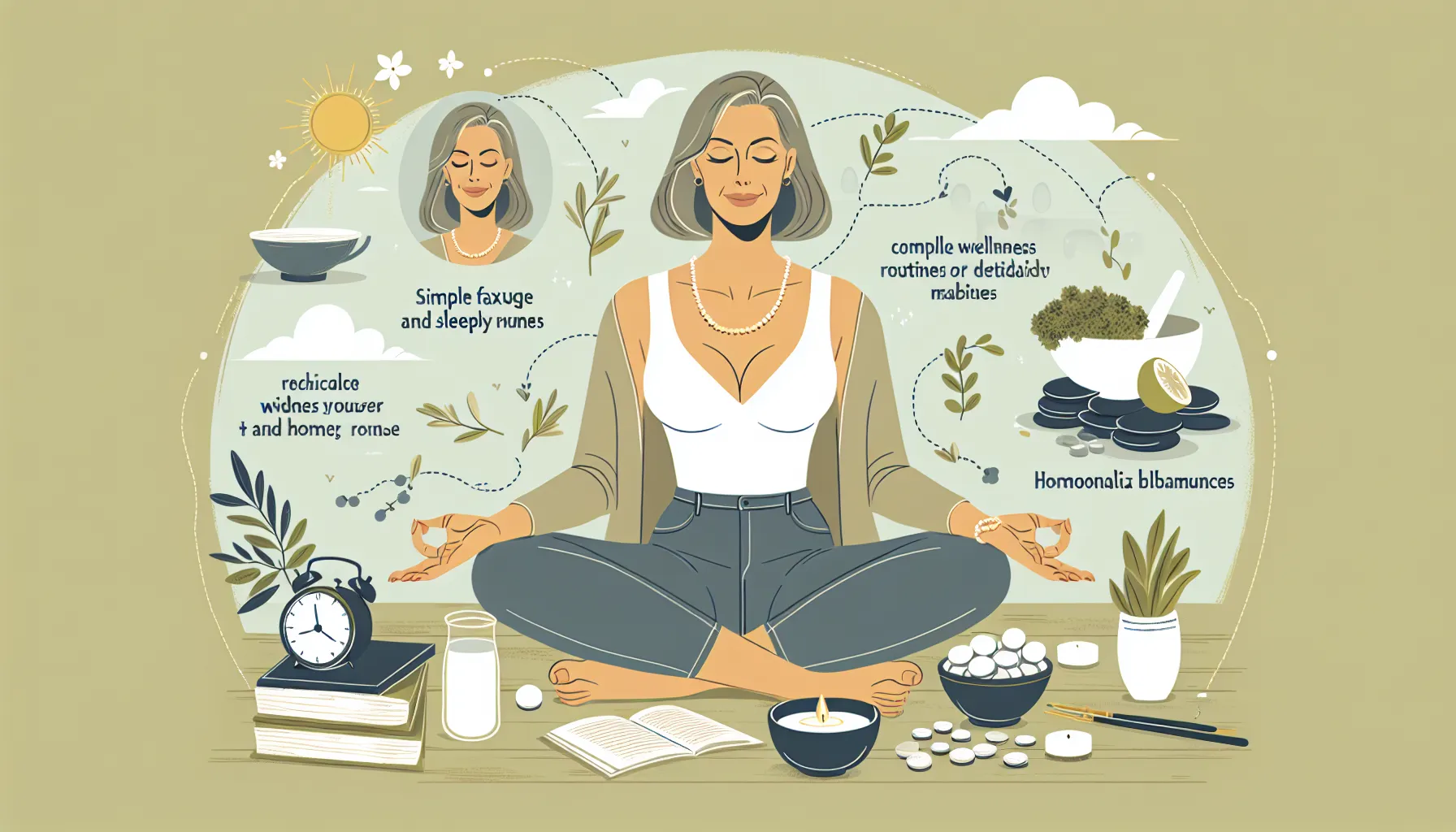
Experiencing fatigue during menstruation is something many women in their 40s can relate to. As our bodies go through various hormonal shifts, it can often feel like a battle just to get through the day. If you’ve been feeling more tired than usual during your period, know that you’re not alone, and there are ways to manage this discomfort.
Understanding the causes of fatigue during menstruation is crucial to finding effective solutions. From hormonal fluctuations to physical changes, the reasons behind this fatigue are multifaceted. But don’t worry—this article will guide you through the essential tips and habits that can help you regain your energy and feel more vibrant during this time of the month.
By making simple lifestyle adjustments and incorporating certain dietary choices, you can alleviate the fatigue often associated with menstruation. Ready to learn how to boost your energy levels and embrace those days with confidence? Let’s dive in!
- Explore the various causes of fatigue during your period, including hormonal and physical changes.
- Discover lifestyle changes and relaxation techniques to help manage tiredness.
- Learn about dietary tips that can enhance your energy and aid recovery during menstruation.
What Causes Fatigue During Menstruation?
The Impact of Hormonal Changes
One of the primary reasons many women experience fatigue during menstruation is the fluctuation of hormones. As estrogen and progesterone levels rise and fall, they can significantly influence your energy levels. For example, just before your period begins, progesterone levels peak and then drop sharply, which can lead to feelings of tiredness and lethargy. These hormonal shifts can also affect your mood and overall well-being, making it even harder to muster the energy needed to tackle daily tasks.
Furthermore, these hormonal changes can also impact your sleep quality. Many women report having trouble sleeping or experiencing restless nights during their menstrual cycle. This lack of restorative sleep can compound feelings of fatigue, creating a cycle that can be challenging to break. Understanding how your hormones are affecting you is the first step in finding effective strategies to manage this fatigue.
- Hormonal fluctuations can lead to increased fatigue.
- Sleep disturbances during menstruation can worsen feelings of tiredness.
- Recognizing hormonal impacts can help you find coping strategies.
Physical Changes That Lead to Fatigue
In addition to hormonal changes, several physical changes during menstruation can contribute to feelings of fatigue. One common issue is the loss of blood, which can result in lower iron levels in your body. When your iron levels drop, your body may struggle to transport oxygen efficiently, leading to increased tiredness. This is particularly important for women in their 40s, who may already be experiencing changes in their iron absorption due to shifting hormonal balances.
Moreover, many women experience cramps and discomfort during their periods. These symptoms can be physically draining and can deter you from engaging in your usual activities, further contributing to feelings of fatigue. When your body is busy managing pain and discomfort, it naturally diverts energy away from other functions, leaving you feeling worn out.
Finally, it’s important to consider how diet and hydration play a role during this time. Not consuming enough nutrients or fluids can exacerbate fatigue, making it essential to focus on a balanced diet rich in iron and hydration to support your body through this phase. By addressing both the physical discomfort and your nutritional intake, you can help combat the fatigue that often accompanies menstruation.
- Blood loss during menstruation can lower iron levels, leading to fatigue.
- Cramps and discomfort can drain your energy.
- A balanced diet and hydration are key to managing fatigue during your period.
Lifestyle Changes to Alleviate Fatigue During Menstruation
How to Ensure Adequate Sleep
Getting enough quality sleep is crucial when it comes to combating fatigue, especially during menstruation. One of the best ways to ensure restorative sleep is by establishing a consistent bedtime routine. Aim to go to bed and wake up at the same time every day, even on weekends. This consistency helps regulate your body’s internal clock and can improve your overall sleep quality.
Moreover, creating a calming environment can significantly enhance your ability to fall asleep. Consider dimming the lights, keeping your bedroom cool, and minimizing noise and distractions. Engaging in relaxing activities, such as reading a book or taking a warm bath before bed, can also signal to your body that it’s time to wind down. By prioritizing your sleep hygiene, you can combat the fatigue that often accompanies menstruation.
- Establish a consistent bedtime routine for better sleep quality.
- Create a calming sleep environment to enhance relaxation.
- Engage in pre-sleep activities that promote winding down.
Stress Management and Relaxation Techniques
Managing stress is another critical factor in alleviating fatigue during your menstrual cycle. High stress levels can exacerbate feelings of tiredness and discomfort, making it essential to incorporate relaxation techniques into your daily routine. One effective method is practicing mindfulness or meditation. Taking just a few minutes each day to focus on your breath or engage in guided meditation can help clear your mind and reduce stress levels.
In addition to mindfulness, consider integrating gentle physical activities like yoga or stretching into your routine. These exercises not only promote relaxation but also help relieve menstrual cramps and improve circulation. Even a short session can make a significant difference in how you feel throughout the day.
Furthermore, don’t underestimate the power of social support. Reaching out to friends or loved ones for a chat can be incredibly uplifting. Sharing your feelings and experiences can help lighten the emotional load and remind you that you’re not alone in your struggles.
Lastly, make time for hobbies or activities that bring you joy. Whether it’s painting, gardening, or simply watching your favorite show, engaging in something you love can significantly improve your mood and energy levels during your period. By managing stress effectively, you can better navigate the challenges of menstruation and reclaim your vitality.
- Practice mindfulness or meditation to reduce stress.
- Incorporate gentle physical activities like yoga for relaxation.
- Seek social support by connecting with friends or loved ones.
- Engage in hobbies that bring you joy to boost your energy.
Dietary Tips During Menstruation
Foods to Boost Energy
When it comes to managing fatigue during menstruation, paying attention to your diet can make a significant difference. Certain foods are known to help boost energy levels, making it easier for you to navigate the challenges of your period. Incorporating complex carbohydrates, such as whole grains, into your meals can provide a steady release of energy throughout the day. Foods like oatmeal, brown rice, and whole-grain bread are excellent choices that will keep you feeling fuller for longer while preventing energy crashes.
Additionally, don’t forget about the power of fruits and vegetables! Leafy greens like spinach and kale are not only nutrient-dense but also rich in iron, which is crucial for replenishing your body’s iron stores depleted during menstruation. Including a variety of colorful fruits, such as berries and oranges, can also provide essential vitamins and antioxidants that support overall health. By focusing on these energy-boosting foods, you can help alleviate some of the fatigue that often comes with your menstrual cycle.
- Whole grains provide sustained energy throughout the day.
- Leafy greens are rich in iron and can help replenish your stores.
- Colorful fruits offer vitamins and antioxidants for overall health.
Nutrients Effective for Fatigue Recovery
In addition to choosing the right foods, it’s important to pay attention to specific nutrients that can aid in your recovery from fatigue during menstruation. Iron is at the top of the list, as it plays a vital role in oxygen transport within your body. Low iron levels can lead to feelings of exhaustion, particularly during your period. Pairing iron-rich foods like red meat, beans, and lentils with vitamin C sources, like citrus fruits or bell peppers, can enhance iron absorption and give you an extra boost.
Another key nutrient to consider is magnesium, which has been shown to help manage cramps and improve overall energy levels. Foods high in magnesium, such as nuts, seeds, and dark chocolate, can not only satisfy your cravings but also support muscle function and reduce fatigue. Including these foods in your diet can help your body recover more effectively during menstruation.
Lastly, don’t forget about hydration! Staying well-hydrated is essential for combating fatigue. Aim to drink plenty of water throughout the day, and consider herbal teas as a soothing option. Proper hydration can help maintain energy levels and improve your overall sense of well-being during your period. By focusing on these essential nutrients, you can take significant steps toward alleviating fatigue and feeling more vibrant during menstruation.
- Iron is essential for oxygen transport and can alleviate fatigue.
- Magnesium helps manage cramps and supports energy levels.
- Staying hydrated is crucial for maintaining energy and overall well-being.
Relaxation Techniques to Try
Easy Stretching Exercises
When you’re feeling fatigued during menstruation, incorporating easy stretching exercises into your routine can be a game changer. Stretching helps relieve muscle tension, improves circulation, and promotes relaxation, all of which can significantly reduce feelings of tiredness. Start with gentle neck rolls to release any built-up tension and gradually move down to your shoulders and back. These areas often hold stress, and releasing that can help you feel lighter and more energized.
Another great stretch is the seated forward bend. Sit on the floor with your legs extended in front of you and gently reach toward your toes. This stretch not only helps ease lower back and hip discomfort but also promotes relaxation. Hold the position for a few deep breaths, allowing your body to sink deeper into the stretch with each exhale. You’ll likely notice a sense of calm and relief as you release the tension.
Additionally, consider incorporating some gentle twists into your routine. Twisting stretches can help improve digestion, which is particularly beneficial during your period when bloating can make you feel sluggish. A simple seated twist can be done anywhere and only takes a minute or two. Just sitting up straight, placing one hand behind you, and gently twisting your torso can help invigorate your body and mind.
- Stretching can relieve muscle tension and improve circulation.
- Seated forward bends help ease discomfort and promote relaxation.
- Gentle twists can improve digestion and invigorate your body.
Meditation to Calm the Mind
Meditation can be incredibly beneficial during menstruation, especially when fatigue and emotional strain are at their peak. Taking just a few minutes each day to practice mindfulness can help calm your mind and reduce stress. Find a quiet space, sit comfortably, and close your eyes. Focus on your breathing, inhaling deeply and exhaling slowly. This simple practice helps ground you and can make a notable difference in how you feel mentally.
As you meditate, allow yourself to acknowledge any feelings of fatigue or discomfort without judgment. It’s okay to recognize these sensations; doing so can help you release them rather than allowing them to weigh you down. Visualization techniques can also enhance your meditation practice. Imagine a wave of relaxation washing over you with each breath, helping to soothe both your mind and body.
Incorporating meditation into your daily routine can be a powerful tool for managing the emotional and physical aspects of menstruation. Regular practice can improve not only your mental clarity but also your resilience against fatigue. By dedicating a few minutes each day to this calming exercise, you create a positive habit that supports your overall well-being during your cycle.
- Mindfulness meditation helps calm the mind and reduce stress.
- Acknowledge feelings of fatigue without judgment to foster release.
- Regular meditation practice enhances mental clarity and resilience against fatigue.
Conclusion
In summary, experiencing fatigue during menstruation is a common challenge for many women in their 40s, often stemming from hormonal fluctuations and physical changes in the body. By understanding the root causes of this fatigue, you can take proactive steps to manage your energy levels effectively. Implementing lifestyle changes, incorporating relaxation techniques, and focusing on a balanced diet rich in essential nutrients can significantly alleviate fatigue and help you feel more vibrant during your menstrual cycle.
Remember, it’s important to listen to your body and prioritize self-care during this time. By adopting these practices, you can navigate your period with greater ease and confidence. Here are some key takeaways to remember:
- Hormonal fluctuations and blood loss can contribute to increased fatigue.
- Establishing a consistent sleep routine and managing stress are vital for energy levels.
- A balanced diet rich in iron and hydration supports recovery and overall well-being.
We would love to hear your thoughts and experiences! Please feel free to leave a comment below and share how you manage fatigue during your menstrual cycle.