Navigating the demands of everyday life can be overwhelming, especially for women in their 40s who juggle work, family, and personal responsibilities. Stress often creeps in, affecting both our physical health and mental well-being. If you find yourself feeling fatigued or anxious, you’re not alone, and the good news is that there are effective stress relief methods that can help restore balance in your life.
In this article, we will explore practical techniques tailored specifically for your lifestyle. From simple relaxation strategies to dietary choices that support your mental health, these methods are designed to fit seamlessly into your busy routine. By incorporating these stress relief techniques, you can enhance your overall vitality and reclaim your energy.
Join us as we delve into essential practices that can transform how you manage stress. You’ll discover how to create a harmonious environment for your mind and body, ensuring you feel revitalized and empowered every day.
- Discover effective stress relief methods that fit your busy life.
- Learn how diet and lifestyle changes can improve your mental well-being.
- Explore routines and products that help balance your mind and body.
The Nature of Stress and Its Effects
What is Stress?
Stress is a natural response to the demands and pressures of daily life. It can stem from various sources, such as work responsibilities, family obligations, or even personal expectations. When faced with challenges, our bodies react by releasing hormones like adrenaline and cortisol, which prepare us to respond effectively. While this response can be beneficial in short bursts, chronic stress can take a toll on our health and well-being.
Furthermore, it’s essential to recognize that stress isn’t inherently negative. In small doses, it can motivate us to meet deadlines and push through tough situations. However, when stress becomes a constant companion, it can lead to feelings of overwhelm and fatigue. Understanding the nature of stress is the first step toward implementing effective stress relief methods that can help you regain control.
Recognizing your stress triggers is crucial. By identifying what causes you stress, whether it’s a demanding job or household duties, you can begin to address those issues directly. This awareness allows you to tailor your approach to managing stress more effectively, ensuring you find methods that resonate with your lifestyle and personal preferences.
Lastly, remember that everyone experiences stress differently. What feels overwhelming for one person might not have the same effect on another. This unique perspective leads us to explore various stress relief techniques that can cater to your individual needs, helping you feel more balanced and in control.
- Stress is a natural response to life’s demands.
- Chronic stress can lead to fatigue and overwhelm.
- Recognizing stress triggers is key to managing stress effectively.
Physical and Mental Effects of Stress
The effects of stress can be both physical and mental, impacting various aspects of our lives. Physically, chronic stress can lead to a range of health issues, including headaches, digestive problems, and even heart disease. When our bodies are constantly in a state of alertness due to stress, it can weaken our immune system, making us more susceptible to illness.
On the mental side, stress can contribute to anxiety, depression, and difficulty concentrating. You may find yourself feeling irritable or unable to relax, which can create a cycle of stress that feels never-ending. It’s important to address these effects proactively by incorporating effective stress relief methods into your daily routine. By doing so, you can not only improve your overall well-being but also enhance your ability to handle life’s challenges with resilience.

If you’re looking for more ways to manage stress effectively, you might find it helpful to explore different relaxation techniques. For instance, check out the article on Simple Meditation Techniques to Refresh Your Mind and Body for Busy Women in Their 40s!, which offers practical approaches to help you incorporate mindfulness into your daily routine.
- Chronic stress can lead to physical health issues like heart disease.
- Mental health can also suffer, leading to anxiety and depression.
- Proactive stress management is crucial for overall well-being.
Easy Stress Relief Methods for Daily Life
Simple Relaxation Techniques
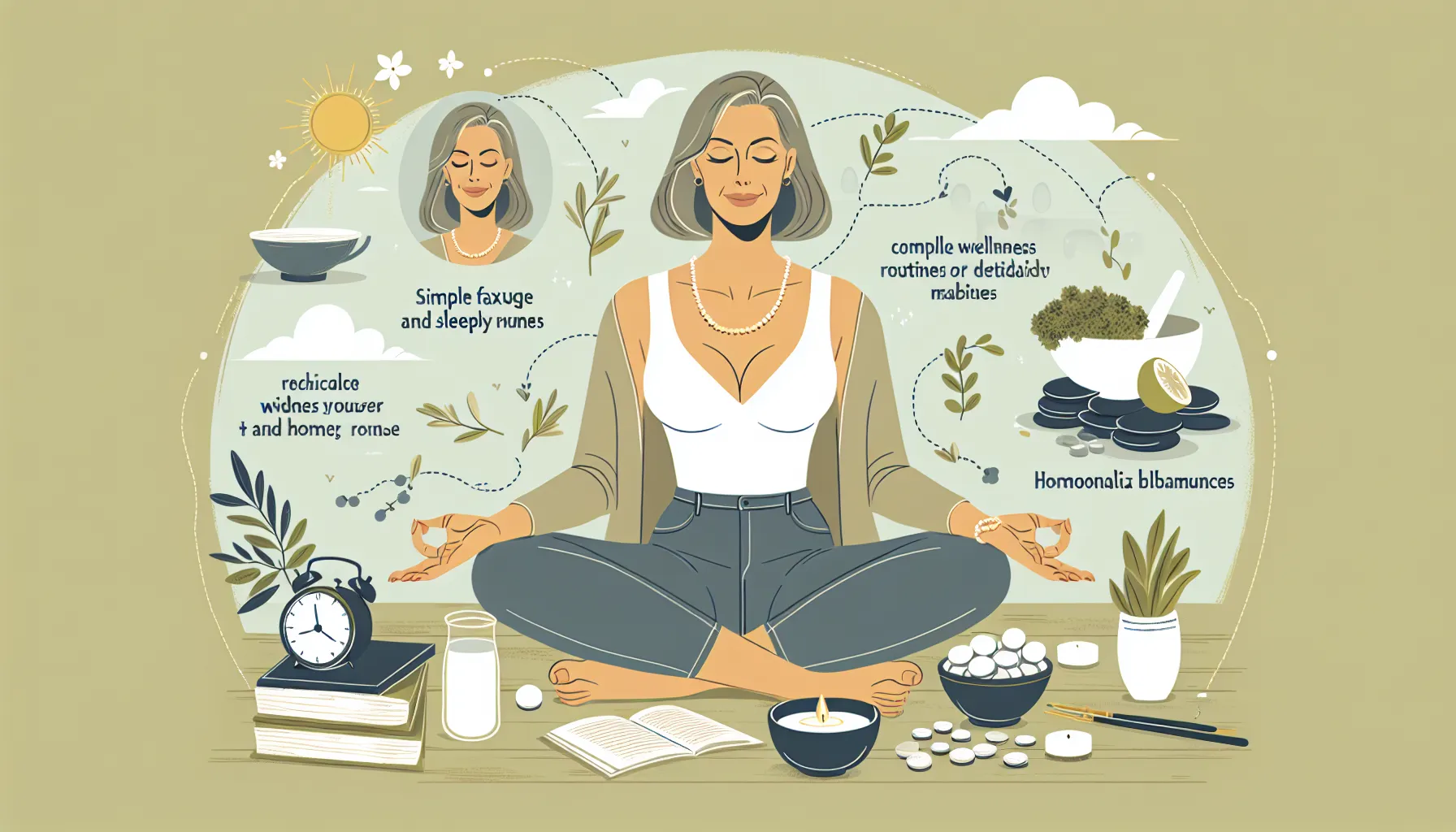
Incorporating simple relaxation techniques into your daily routine can significantly help in managing stress. One effective method is deep breathing. By taking a few moments each day to focus on your breath, you activate your body’s relaxation response. Try inhaling deeply through your nose, holding for a few seconds, and then exhaling slowly through your mouth. This practice can be done anywhere, whether at your desk, in the car, or even while waiting in line.
Another great technique is progressive muscle relaxation, which involves tensing and then relaxing each muscle group in your body. Start from your toes and work your way up to your head. As you tense each muscle, focus on the sensations, and then consciously let go of that tension. This not only helps relieve physical stress but also encourages mental clarity and calmness.
Lastly, don’t underestimate the power of a short walk outdoors. Nature has a calming effect, and even a brief stroll can clear your mind and reduce stress levels. Aim for a few minutes outside each day, allowing yourself to soak in the sights and sounds around you. These simple relaxation techniques can pave the way for a more balanced and peaceful day.
- Deep breathing can activate the body’s relaxation response.
- Progressive muscle relaxation helps release physical tension.
- A short outdoor walk can rejuvenate your mind and spirit.
Stress-Reducing Benefits of Diet
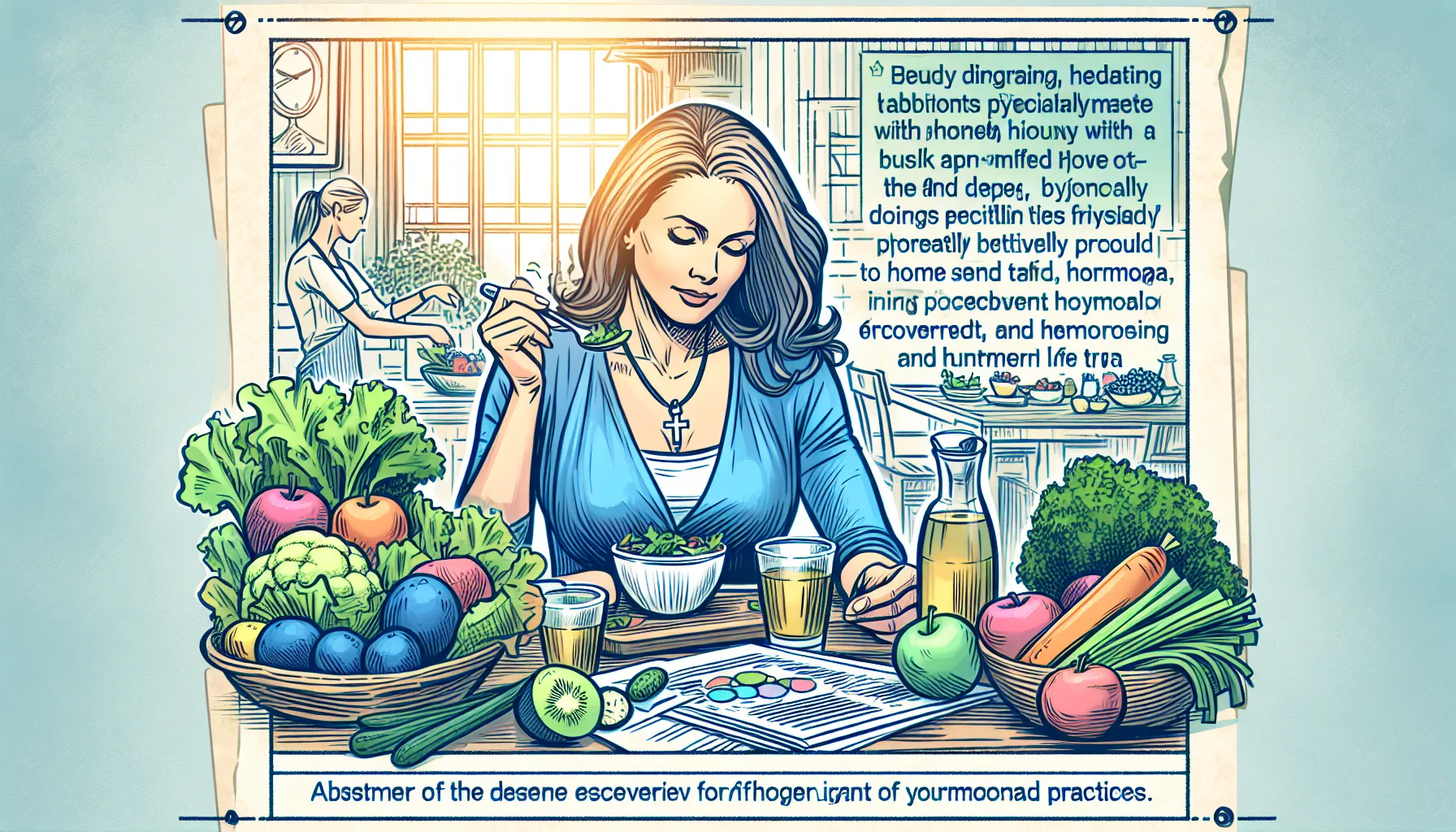
Your diet plays a crucial role in stress management, and making mindful food choices can lead to significant benefits. Foods rich in omega-3 fatty acids, like salmon and walnuts, have been shown to reduce anxiety and promote brain health. Incorporating these foods into your meals can help stabilize your mood and enhance your overall well-being.
Additionally, staying hydrated is essential for maintaining energy levels and mental clarity. Dehydration can lead to fatigue and irritability, making it harder to cope with stress. Aim to drink plenty of water throughout the day, and consider herbal teas known for their calming effects, such as chamomile or peppermint. By focusing on a balanced diet and proper hydration, you can create a supportive foundation for your mental health and resilience against stress.
- Omega-3 fatty acids can help reduce anxiety.
- Staying hydrated supports energy levels and clarity.
- Herbal teas can provide calming benefits throughout the day.
Habits for Balancing Mind and Body
Managing Stress with Daily Routines
Establishing daily routines can play a significant role in managing stress effectively. By creating a structured schedule, you can help reduce feelings of chaos and uncertainty. Start by setting aside specific times for work, family, and self-care. This organization not only helps you stay on track but also allows you to allocate time for relaxation and activities that bring you joy.
Consider incorporating short breaks throughout your day. These breaks act as mini reset buttons, giving your mind and body a chance to recharge. Even a five-minute pause to stretch, breathe, or enjoy a cup of tea can make a difference in your stress levels. Additionally, consistency in your daily habits, such as regular sleep patterns and meal times, can enhance your well-being and resilience against stress.
- Create a structured schedule to reduce chaos.
- Allocate time for relaxation and enjoyable activities.
- Incorporate short breaks to recharge throughout the day.
Ways to Regulate Hormonal Balance
Hormonal balance is crucial for managing stress and maintaining overall health, especially for women in their 40s. As we age, fluctuations in hormones can contribute to feelings of anxiety and mood swings. To support hormonal balance, consider integrating regular exercise into your routine. Physical activity not only helps to release endorphins, which are natural stress relievers, but also plays a key role in regulating hormones.
In addition to exercise, a well-rounded diet is vital for hormonal health. Incorporating foods high in fiber, healthy fats, and protein can support hormone production and balance. For instance, avocados and nuts are great sources of healthy fats that can help stabilize hormone levels. On the other hand, reducing sugar and processed foods can minimize hormonal fluctuations, ensuring you feel more grounded and less stressed.
Lastly, practicing mindfulness and relaxation techniques can have a positive impact on hormonal balance. Activities like yoga or meditation not only promote mental clarity but also help to lower cortisol levels in the body. By engaging in these practices regularly, you’re not just managing stress; you’re also nurturing your hormonal health, allowing for a more harmonious connection between your mind and body.
- Regular exercise helps release endorphins and regulate hormones.
- A balanced diet supports hormone production and stability.
- Mindfulness practices can lower cortisol levels and promote well-being.
Recommended Products for Stress Relief
How to Choose Effective Supplements
When it comes to managing stress, effective stress relief methods can often include the use of supplements. However, with so many options available, it’s essential to choose wisely. Start by looking for supplements that contain natural ingredients known for their calming effects. For example, magnesium, omega-3 fatty acids, and herbal extracts like ashwagandha and valerian root have been shown to support stress relief and promote relaxation.
Before incorporating any new supplement into your routine, it’s also important to consult with a healthcare professional. They can help assess your individual needs and recommend appropriate dosages. Additionally, consider the quality of the products you choose. Look for reputable brands that prioritize transparency and have third-party testing, ensuring you’re getting a product that is both effective and safe.
- Check for natural ingredients known for calming effects.
- Consult a healthcare professional before starting any new supplement.
- Choose reputable brands with third-party testing for quality assurance.
Introduction to Relaxation Items
In addition to dietary supplements, various relaxation items can enhance your stress relief routine. Aromatherapy products, such as essential oils and diffusers, are excellent tools for creating a calming environment. Scents like lavender, chamomile, and eucalyptus have properties that can soothe the mind and body, promoting relaxation and reducing anxiety.
Another helpful item is a weighted blanket. Many people find that the gentle pressure of a weighted blanket can provide comfort and help alleviate feelings of stress. It mimics the sensation of being hugged, which can be particularly comforting after a long day. Incorporating these relaxation tools into your daily life can create a peaceful sanctuary at home.
Lastly, consider investing in relaxation apps or guided meditation programs. These resources can provide you with structured techniques to manage stress effectively. Whether you prefer listening to soothing sounds or following along with guided meditation, having these tools at your fingertips can make it easier to carve out time for relaxation amidst your busy schedule.
- Aromatherapy products can create a calming environment.
- Weighted blankets provide comfort and help alleviate stress.
- Relaxation apps can offer structured techniques for managing stress.
Conclusion
In conclusion, managing stress is an essential aspect of maintaining both physical and mental well-being, especially for women in their 40s. By understanding the nature of stress and recognizing its effects, you can adopt effective strategies that fit seamlessly into your daily routine. Whether it’s through relaxation techniques, dietary adjustments, or establishing healthy habits, the goal is to create a balanced life that allows you to thrive.
Remember that stress relief is not a one-size-fits-all solution. Experimenting with different methods and finding what resonates with you will empower you to take control of your stress levels. By prioritizing self-care and incorporating these effective stress relief methods, you can enhance your vitality and enjoy a more fulfilling daily life.
- Incorporate simple relaxation techniques like deep breathing and progressive muscle relaxation.
- Focus on a balanced diet with stress-reducing foods and proper hydration.
- Establish daily routines that promote organization and include time for self-care.
We’d love to hear your thoughts! Please leave a comment below about your favorite stress relief methods or any tips you’d like to share with others.