
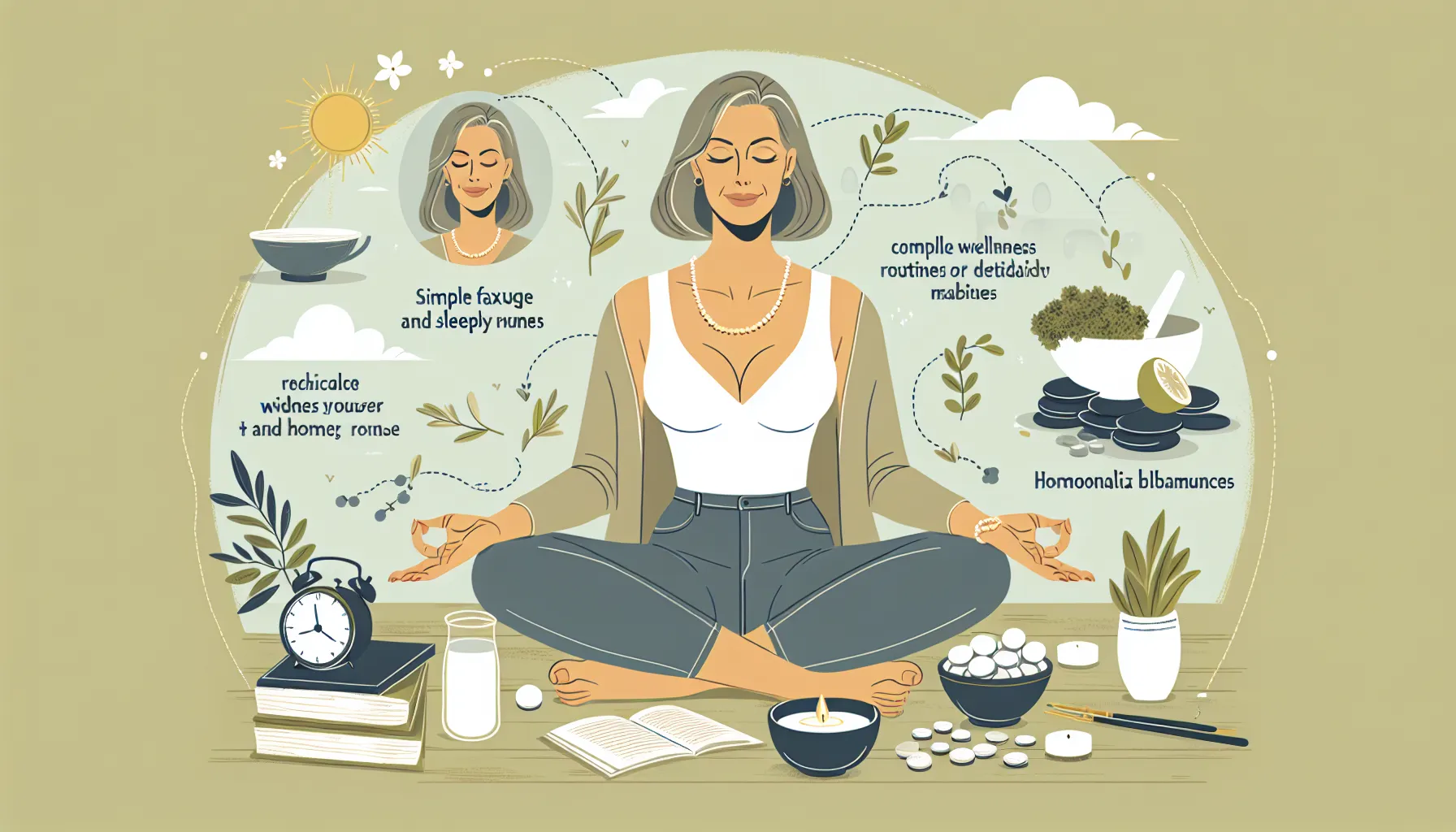
Are you a woman in your 40s feeling the weight of daily responsibilities and stress? It’s no surprise that many of us struggle with getting the deep, restful sleep we crave. Life can be a whirlwind of work, family obligations, and personal commitments, leaving little room for the rejuvenating sleep that is essential for our health and well-being.
Fortunately, achieving quality sleep is within your reach, and this article will guide you through practical methods to help you get the deep sleep you deserve. From creating a cozy sleeping environment to incorporating relaxation techniques into your daily routine, there are effective strategies that can make a significant difference in your sleep quality.
Understanding the importance of deep sleep is the first step toward revitalizing your energy levels and enhancing your overall health. As we explore various tips and tricks, you’ll discover how small changes can lead to a more restful night and a more vibrant day.
So, whether you’re looking to improve your sleep habits, enhance your relaxation techniques, or simply find ways to unwind after a long day, you’re in the right place. Let’s dive into the world of deep sleep and unlock the secrets to feeling refreshed and energized every day!
- Explore the importance of deep sleep and its health benefits.
- Learn how to create a sleep-friendly environment tailored for your needs.
- Discover effective relaxation techniques to enhance your sleep experience.
The Importance of Achieving Deep Sleep
The Relationship Between Sleep and Health
When it comes to our overall health, sleep is often an overlooked yet crucial component. Quality sleep affects everything from our mood to our immune system. Studies show that during deep sleep, the body undergoes essential repair processes, including muscle growth and tissue repair. This is particularly vital for women in their 40s, as hormonal changes can impact our sleep patterns and energy levels.
Furthermore, insufficient deep sleep can lead to a cascade of health issues, including weight gain, increased stress levels, and even chronic diseases. By prioritizing deep sleep, you are actively taking a step toward better health, improved mood, and enhanced productivity. It’s not just about the hours you spend in bed; it’s about the quality of that sleep and how it rejuvenates your body and mind.
- Quality sleep supports a healthy immune system.
- Deep sleep plays a role in emotional and mental well-being.
- Good sleep can improve focus and cognitive function.
Benefits of Deep Sleep
Deep sleep offers a myriad of benefits that extend well beyond feeling rested. One of the most notable advantages is its role in memory consolidation. During this phase of sleep, the brain processes information from the day, which not only helps in retaining new knowledge but also improves problem-solving skills. As we age, this function becomes even more critical, as it can help counteract cognitive decline.
In addition to cognitive benefits, deep sleep is essential for regulating hormones. This is particularly important for women in their 40s, as hormonal imbalances can lead to symptoms like mood swings, fatigue, and weight fluctuations. Achieving quality deep sleep can help in stabilizing these hormones, leading to a more balanced and energetic feeling throughout the day.
Moreover, deep sleep is linked to physical health benefits, such as improved metabolism and better heart health. When we are well-rested, our bodies are more efficient at processing energy and maintaining healthy blood pressure levels. This means that prioritizing deep sleep is not just about waking up refreshed; it’s also about supporting your long-term health.
Lastly, let’s not forget the emotional benefits of deep sleep. A good night’s sleep can significantly affect your mood, reducing feelings of anxiety and irritability. When you wake up feeling refreshed, you’re more likely to tackle the day with a positive attitude and a clear mind. This is crucial for managing the daily challenges that come with balancing work, family, and personal time.
- Deep sleep aids in memory retention and cognitive function.
- Hormonal balance is supported through quality sleep.
- Restful nights contribute to better metabolic health.
- Improved mood and emotional resilience come with good sleep.
How to Create a Sleep-Friendly Environment
Choosing Comfortable Bedding
One of the key elements in achieving deep sleep is your bedding. The right mattress and pillows can significantly impact the quality of your rest. When selecting a mattress, consider factors such as firmness and material. A mattress that suits your sleeping style—whether you’re a side, back, or stomach sleeper—will provide the support your body needs. For instance, side sleepers often benefit from a softer mattress that cushions the shoulders and hips, while back sleepers might prefer a firmer one for proper spinal alignment.
Additionally, choosing the right pillows is equally important. Look for pillows that offer adequate neck support and align your head with your spine. There are various types of pillows available, including memory foam, down, and latex, each offering different levels of support and comfort. Don’t hesitate to experiment with different options to find what feels best for you. Remember, investing in quality bedding can lead to more restful nights and happier mornings.
- Invest in a mattress that suits your sleeping style.
- Choose pillows that provide proper neck support.
- Experiment with different materials to find your perfect comfort level.
Tips to Block Noise and Light
Creating a serene atmosphere is essential for deep sleep. Noise and light can disrupt your sleep cycle, making it difficult to achieve the restorative rest you need. To tackle noise, consider using earplugs or a white noise machine. These tools can help drown out disruptive sounds, allowing you to fall into a deeper sleep without interruptions. If you find that external noises are still penetrating your space, heavy curtains or soundproofing your bedroom can further enhance your sleep environment.
Light is another factor that can hinder your ability to drift off. Aim for a dark bedroom by using blackout curtains or shades to block outside light sources. Additionally, consider reducing screen time before bed, as the blue light emitted by devices can interfere with melatonin production. Creating a calming pre-sleep routine, such as dimming the lights and enjoying a relaxing activity, can signal to your body that it’s time to wind down. By minimizing noise and light disturbances, you’ll help set the stage for a deeper, more rejuvenating sleep.
- Use earplugs or a white noise machine to block disruptive sounds.
- Opt for blackout curtains to keep your room dark.
- Limit screen time before bed to promote better melatonin production.
Revising Your Lifestyle Habits
Incorporating Exercise
When it comes to figuring out how to get deep sleep, one of the most effective strategies is incorporating regular exercise into your routine. Physical activity not only helps in alleviating stress but also promotes better sleep quality. Engaging in moderate exercise during the day can significantly enhance your ability to fall asleep faster and enjoy deeper rest at night. Whether it’s a brisk walk, yoga, or a dance class, find activities that you enjoy and can commit to regularly.
Furthermore, it’s essential to consider the timing of your workouts. While exercising in the morning or early afternoon can energize you for the day ahead, working out too close to bedtime can have the opposite effect. It may increase your heart rate and body temperature, making it harder to wind down. Aim for at least 30 minutes of exercise most days, but try to finish your workouts at least three hours before your bedtime. By making exercise a priority, you’re not only improving your physical health but also paving the way for a more restful night.
- Aim for at least 30 minutes of exercise most days.
- Choose activities you enjoy to stay motivated.
- Finish workouts at least three hours before bedtime for better sleep quality.
Key Points for Dietary Improvement
Your diet plays a significant role in determining how well you sleep. To enhance your chances of achieving deep sleep, consider making some thoughtful changes to what you consume. Start by incorporating more whole foods, such as fruits, vegetables, whole grains, and lean proteins, into your meals. These foods provide essential nutrients that help your body function optimally, including promoting better sleep cycles. On the other hand, try to limit processed foods high in sugar and unhealthy fats, as they can lead to spikes in energy that disrupt your sleep.
In addition to focusing on what you eat, pay attention to when you eat. Heavy meals close to bedtime can cause discomfort and indigestion, keeping you awake. Instead, aim for lighter dinners that include sleep-promoting foods like turkey, bananas, and almonds, which contain tryptophan and magnesium. These nutrients are known to help relax your body and promote the production of melatonin, the hormone responsible for sleep.
Lastly, stay mindful of your hydration levels. While staying hydrated is important, drinking too much fluid right before bed can lead to frequent trips to the bathroom during the night. To strike a balance, ensure you’re well-hydrated throughout the day but limit your fluid intake in the hour leading up to bedtime. By making these dietary improvements, you’ll not only support your overall health but also create a conducive environment for deep, restorative sleep.
- Incorporate whole foods for better overall nutrition.
- Opt for lighter meals in the evening to avoid discomfort.
- Stay hydrated during the day but limit fluid intake before sleep.
Practicing Relaxation Techniques
Benefits of Meditation and Deep Breathing
One of the most effective ways to enhance your chances of achieving deep sleep is by incorporating relaxation techniques into your nighttime routine. Meditation and deep breathing exercises are powerful tools that can calm your mind and prepare your body for rest. By dedicating just a few minutes each evening to these practices, you may find it easier to let go of the day’s stressors and transition into a restful state.
Meditation invites you to focus your thoughts and cultivate mindfulness. This practice encourages you to become aware of your thoughts without judgment, helping to reduce anxiety and racing thoughts that often keep us awake at night. Additionally, deep breathing exercises activate your body’s relaxation response, slowing your heart rate and lowering blood pressure, which can further promote feelings of tranquility. Together, these techniques can create a peaceful mental environment that is conducive to deep sleep.
Moreover, making meditation and deep breathing a regular part of your evening routine can help signal to your body that it is time to unwind. As you practice consistently, you may notice that it becomes easier to relax, allowing you to drift off into a deep sleep more naturally. This practice not only improves your sleep quality but also enhances your overall well-being, making it a win-win for your health.
- Meditation can help reduce anxiety and promote mindfulness.
- Deep breathing activates relaxation responses in the body.
- Consistent practice can signal your body to unwind for better sleep.
Using Aromatherapy Effectively
Aromatherapy is another fantastic method to support deep sleep. The use of essential oils can create a soothing atmosphere that encourages relaxation and promotes sleep. Lavender, chamomile, and bergamot are known for their calming properties and can make a noticeable difference in your ability to fall asleep. Whether you choose to use a diffuser, apply oils topically, or add them to your bath, the right scents can transform your bedtime experience.
For instance, lavender oil has been widely studied for its sleep-inducing effects. Research suggests that inhaling lavender aroma may improve sleep quality and reduce insomnia. Simply placing a few drops of lavender oil on your pillow or in a diffuser can help create a serene environment that lulls you into a restful slumber. Similarly, chamomile tea, known for its calming effects, can be enjoyed as part of your bedtime routine to further enhance relaxation.
Additionally, it’s essential to create a pleasant and inviting space for sleep. Consider incorporating a calming scent into your bedding or bedroom decor, perhaps using a linen spray infused with essential oils. This not only elevates your sleep environment but also reinforces positive associations with bedtime, making it easier to relax and settle in for the night.
By thoughtfully integrating aromatherapy into your nightly routine, you’re not just enhancing your sleep environment; you’re also nurturing a sense of calm that can carry through into your waking hours. The right scents can make bedtime feel special, inviting, and rejuvenating, helping you achieve the deep sleep you deserve.
- Lavender and chamomile are effective for promoting relaxation.
- Essential oils can be used in diffusers or applied topically.
- Create a calming atmosphere with pleasant scents for better sleep.
Conclusion
In conclusion, prioritizing deep sleep is essential for women in their 40s who are juggling numerous responsibilities. By understanding the significance of quality sleep and implementing effective strategies, you can transform your nightly rest into a rejuvenating experience that enhances your overall health and well-being. From creating a sleep-friendly environment to incorporating relaxation techniques, the methods discussed are simple yet impactful.
Remember, achieving deep sleep is not merely about the number of hours spent in bed; it’s about ensuring that those hours are filled with restorative rest. By making small adjustments to your lifestyle, such as revising your diet, exercising regularly, and practicing mindfulness techniques, you can pave the way for a more energized and vibrant day ahead.
To recap, here are the key takeaways from this article:
- Prioritize creating a comfortable and quiet sleep environment for deeper rest.
- Incorporate regular exercise and a balanced diet to support better sleep quality.
- Use relaxation techniques, such as meditation and aromatherapy, to enhance your ability to unwind and fall asleep.
We hope you found these tips helpful! If you have any thoughts or additional strategies for achieving deep sleep, please feel free to leave a comment below. Your insights could help others in their journey toward better sleep!