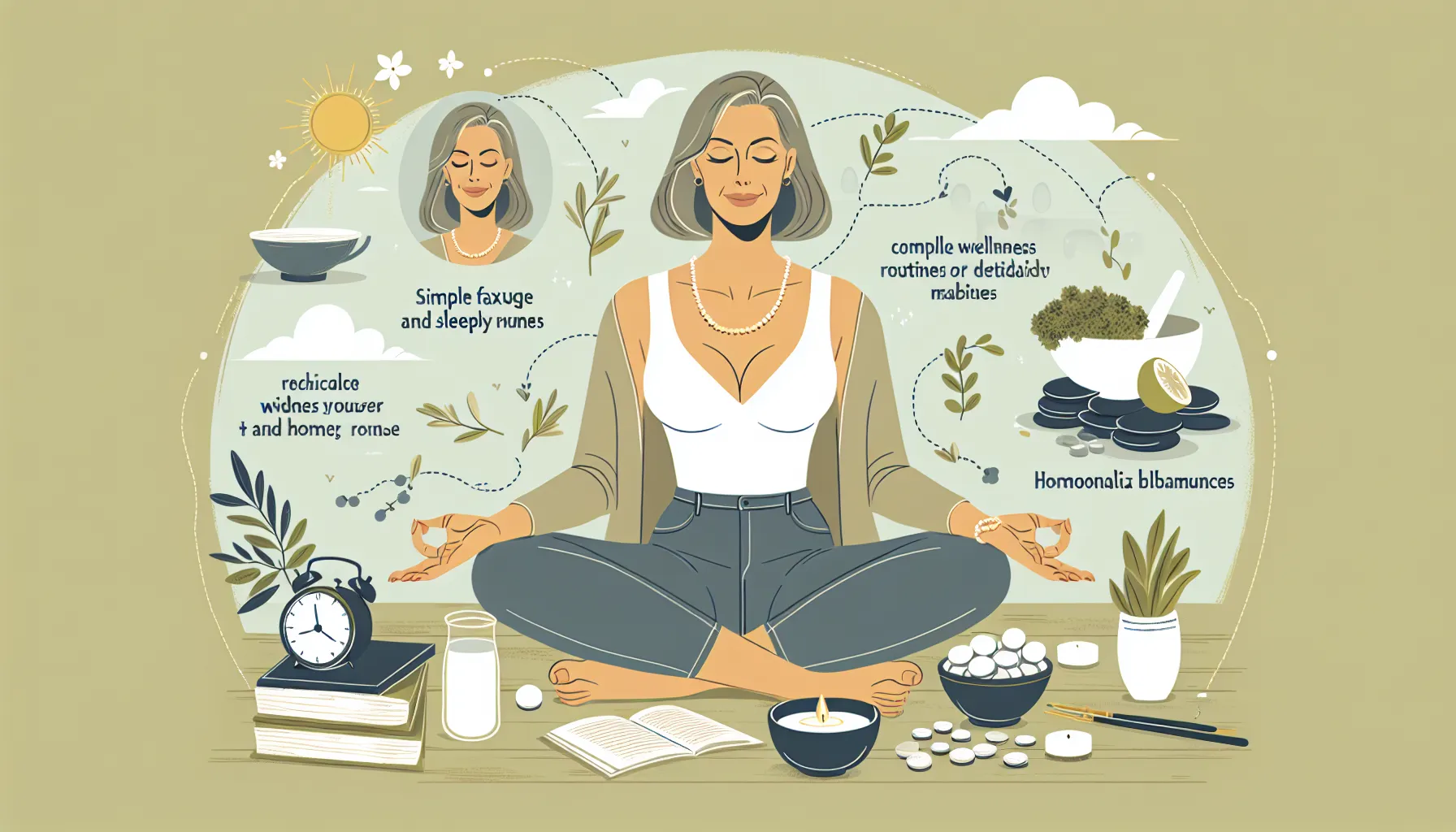
Are you a busy woman in your 40s, juggling work, family, and countless responsibilities? If you often find yourself waking up feeling tired, even after a short night’s sleep, you’re not alone. Many women face the challenge of balancing their hectic lives while trying to maintain their energy levels. The good news is that it’s possible to wake up refreshed, even if you’re short on sleep!
In this article, we’ll explore practical tips to help you maximize your rest and enhance your mornings. From optimizing your sleep quality to making small adjustments in your daily habits, you can discover ways to feel revitalized and ready to tackle the day. It’s all about incorporating simple lifestyle changes that fit seamlessly into your routine.
So, whether you’re seeking better sleep hygiene, effective relaxation techniques, or dietary habits that promote fatigue recovery, you’re in the right place. Let’s dive into these strategies and unlock the secret to feeling great each morning, no matter how much sleep you get!
- Learn how to improve sleep quality for refreshing mornings.
- Discover lifestyle habits that help you feel more awake.
- Find out which foods can boost your energy and recovery.
Basic Knowledge for Refreshing Mornings with Short Sleep
Key Points to Improve Sleep Quality
When you’re pressed for time and can only manage a short sleep, it’s crucial to make the most of those hours. One way to enhance your sleep quality is by creating a calming bedtime routine. This can include activities such as reading a book, practicing gentle yoga, or enjoying a warm cup of herbal tea. Such rituals signal to your body that it’s time to wind down, making it easier to slip into restorative sleep, even if it’s brief.
Furthermore, consider your sleep environment. A dark, cool, and quiet bedroom can significantly improve your sleep quality. Try blackout curtains, earplugs, or a white noise machine to minimize disruptions. Small changes to your sleeping space can lead to more restful nights, helping you wake up feeling more refreshed, even after a limited amount of sleep.
- Establish a calming pre-sleep routine.
- Optimize your bedroom environment for better sleep quality.
- Limit screen time before bed to enhance melatonin production.
Benefits of Short Sleep
While it may sound counterintuitive, there are benefits to getting short sleep if you approach it strategically. One of the primary advantages is that many people can function well on less sleep than they think. Research indicates that short sleep, when of high quality, can still lead to improved cognitive function and alertness during the day. This means that even if you wake up after just a few hours, you might still have the energy to tackle your tasks efficiently.
Moreover, embracing short sleep can teach you how to prioritize your time better. When you know you have a limited window for rest, you might become more intentional about how you spend your waking hours. This can lead to increased productivity and a greater appreciation for the moments you do have, whether they’re spent working, relaxing, or enjoying time with loved ones.
Lastly, adapting to short sleep can sometimes lead to a more flexible lifestyle. As you learn to optimize your energy levels, you may find that you can engage in activities you love without feeling weighed down by fatigue. It’s all about listening to your body and understanding your unique needs, allowing you to create a routine that leaves you feeling empowered and ready for each day.
- Short sleep can enhance focus and cognitive function.
- It encourages better time management and productivity.
- Learning to adapt can lead to a more fulfilling lifestyle.
Gaining Refreshment by Revising Lifestyle Habits
Revising Morning Routines
To wake up feeling refreshed after a short sleep, revising your morning routine can be a game-changer. Start by incorporating a few minutes of gentle stretching or light exercise, which can invigorate your body and get your blood flowing. Even just a quick walk around your home or some deep breathing exercises can work wonders. These activities help shake off grogginess and prepare you mentally for the day ahead.
Additionally, consider the power of a nutritious breakfast. Fueling your body with a balanced meal can boost your energy levels and set a positive tone for your day. Look for foods rich in protein and healthy fats—think eggs, yogurt, or nut butter on whole-grain toast—which can provide sustained energy and help you feel more alert, even on those mornings when your sleep was short.
Lastly, don’t underestimate the importance of hydration. Drinking a glass of water first thing in the morning can wake up your system and help alleviate feelings of fatigue. Dehydration can worsen tiredness, so keeping a water bottle handy and sipping throughout the day is an excellent practice to maintain your energy levels.
- Incorporate gentle stretching or light exercise into your morning.
- Choose a nutritious breakfast to boost energy and alertness.
- Stay hydrated to combat feelings of fatigue.
Setting Up a Sleep-Friendly Environment
Creating a sleep-friendly environment is essential for maximizing the quality of your rest, especially when sleep is limited. Start with your bedroom setup: consider using blackout curtains to eliminate any light that might interfere with your sleep. This can create a pitch-dark environment that encourages deeper rest, making your short sleep feel more effective.
Sound is another critical factor. If you live in a noisy area, using a white noise machine or earplugs can help mask disruptive sounds, allowing you to slip into slumber more easily. Even calming sounds, like gentle rain or ocean waves, can promote relaxation and make your sleep feel more restorative.
Temperature also plays a significant role in sleep quality. Aim for a cooler room, as this can help your body lower its core temperature and facilitate better sleep. The ideal sleeping temperature typically falls between 60 and 67 degrees Fahrenheit. Investing in breathable bedding can further enhance your comfort and help you avoid overheating during the night.
Lastly, decluttering your sleep space can have a surprising impact on your relaxation. A clean, organized bedroom can foster a sense of calm and serenity, making it easier to unwind. Consider keeping electronics out of the bedroom to create a more peaceful atmosphere that promotes better sleep quality.

If you’re interested in further enhancing your energy levels, you might want to check out the article titled Attention 40-Something Women! Boost Your Immunity and Fight Fatigue with Vitamin C Granules. This piece provides valuable insights into how Vitamin C granules can aid in fatigue recovery and elevate your overall well-being.
- Use blackout curtains to eliminate light and enhance sleep quality.
- Consider white noise machines or earplugs to mask disruptive sounds.
- Maintain a cooler room temperature for optimal sleep conditions.
- Declutter your sleep space for a calming and serene environment.
Enhancing Sleep Quality through Dietary Habits
Foods Effective for Fatigue Recovery
When it comes to waking up refreshed after a short sleep, your dietary choices can play a pivotal role. Certain foods are particularly effective at combating fatigue and helping your body recover from the stress of a busy day. Incorporating nutrient-dense options into your meals can provide the essential vitamins and minerals your body craves, even in a limited time frame.
For instance, consider adding foods rich in antioxidants, such as berries, dark leafy greens, and nuts. These items help fight inflammation and support overall cellular health, which can contribute to improved energy levels. Additionally, complex carbohydrates like whole grains provide a steady source of energy, preventing those dreaded mid-morning slumps.
Furthermore, lean proteins such as chicken, fish, and legumes are crucial for muscle recovery and overall vitality. They help keep you feeling full and satisfied, reducing the temptation to reach for sugary snacks that can lead to energy crashes later in the day. By focusing on these food groups, you can create a powerful arsenal against fatigue.
Lastly, don’t forget the importance of hydration. Drinking plenty of water throughout the day helps your body function optimally, keeping fatigue at bay. Pairing these dietary habits with good sleep practices can significantly enhance your overall well-being.
- Incorporate antioxidant-rich foods like berries and leafy greens.
- Focus on complex carbohydrates to maintain energy levels.
- Include lean proteins to support muscle recovery and satisfaction.
Importance of Breakfast and Recommended Menus
Breakfast is often hailed as the most important meal of the day, and for good reason. A well-balanced breakfast can set a positive tone for your day, especially when you’ve had a short sleep. It provides your body with the necessary fuel after a night of fasting, helping you shake off any lingering sleepiness.
Aim for a meal that includes a mix of protein, healthy fats, and complex carbohydrates. For example, a bowl of oatmeal topped with nuts and fresh fruit is a fantastic option. This combination not only keeps you energized but also stabilizes your blood sugar levels, preventing an energy dip later on. Alternatively, a smoothie made with spinach, banana, and yogurt can be a quick and nutritious choice that packs a punch in terms of vitamins and minerals.
Another great breakfast idea is an egg-based dish, such as scrambled eggs with avocado on whole-grain toast. Eggs are rich in protein and healthy fats, while avocado provides fiber and essential nutrients. This hearty meal can keep you feeling satisfied and alert, ready to take on whatever the day throws your way.
Ultimately, the key is to make breakfast a priority, even on busy mornings. By planning ahead and preparing quick, healthy options, you can ensure your body receives the nourishment it needs to combat fatigue and promote a refreshed state of mind.
If you’re interested in further strategies to enhance your energy levels and combat fatigue, you might find this article on Refresh Yourself: Smart Ways to Beat Fatigue Before a Fever Hits! particularly helpful. It delves into effective methods to alleviate tiredness and improve your overall well-being, offering practical advice that complements the dietary habits discussed here.
- Include a mix of protein, healthy fats, and complex carbohydrates in breakfast.
- Consider oatmeal topped with nuts and fruit or a nutrient-packed smoothie.
- Prioritize breakfast by planning quick, healthy options to kickstart your day.
Aligning Mind and Body through Relaxation Techniques
Easy Relaxation Methods
Incorporating relaxation techniques into your routine can significantly enhance your ability to wake up feeling refreshed, even after a short sleep. One of the simplest methods to achieve this is through deep breathing exercises. Taking just a few moments to focus on your breath can help quiet your mind and prepare your body for rest. Try inhaling deeply for a count of four, holding for four, and then exhaling for another four counts. This practice helps reduce stress and tension, allowing your body to enter a more relaxed state before bedtime.
Another effective relaxation technique is progressive muscle relaxation. This method involves systematically tensing and then relaxing different muscle groups in your body. Start with your toes and work your way up to your head. By focusing on each area, you not only relieve physical tension but also cultivate a sense of mindfulness. This can create a peaceful transition from the busyness of the day to the calm of the night, making it easier to fall asleep quickly, even if you’re short on time.
- Practice deep breathing exercises to calm your mind.
- Try progressive muscle relaxation to relieve physical tension.
- Set aside a few minutes each night for relaxation techniques.
Stretching and Meditation Before Sleep
In addition to simple relaxation methods, incorporating stretching and meditation into your pre-sleep routine can further enhance your sleep quality. Gentle stretching helps release tension built up throughout the day, promoting a sense of relaxation in both your body and mind. Consider holding stretches for 15-30 seconds, focusing on areas that feel particularly tight, such as your neck, shoulders, and back. This not only prepares your body for sleep but also signals to your mind that it’s time to unwind.
Meditation is another powerful tool to help you feel refreshed in the morning after a short sleep. Even just a few minutes of mindfulness meditation can help clear your mind and reduce anxiety. Find a quiet space, close your eyes, and focus on your breath or a calming mantra. If thoughts begin to drift in, acknowledge them without judgment and gently bring your focus back to your breath. This practice fosters a sense of peace that can enhance the restorative effects of even a brief sleep duration.
Ultimately, integrating stretching and meditation into your evening routine can help you align your body and mind, making it easier to transition into a restful state. As a result, you can wake up feeling more refreshed and ready to tackle the day, despite the limited sleep hours. Embracing these techniques can be a game-changer in your journey to combat fatigue and invigorate your mornings.
If you’re intrigued by how to enhance your relaxation techniques further, you might find value in the article titled Simple Meditation Techniques to Refresh Your Mind and Body for Busy Women in Their 40s!. It offers practical approaches to incorporate meditation into your daily routine, helping you relieve stress and rejuvenate your mind and body effectively.
- Incorporate gentle stretching to release daily tension.
- Practice mindfulness meditation for improved mental clarity.
- Establish a calming pre-sleep routine to enhance relaxation.
Conclusion
In conclusion, waking up feeling refreshed after a short sleep is not just a dream; it can be a reality with the right strategies in place. By optimizing your sleep environment, establishing effective morning routines, and focusing on dietary choices, you can significantly enhance your energy levels, even when your sleep duration is limited. Remember, it’s about quality over quantity when it comes to rest, and small changes can lead to substantial improvements in how you feel each morning.
Moreover, incorporating relaxation techniques such as deep breathing, stretching, and mindfulness meditation can further help you transition into a restful state. These practices not only prepare your body for sleep but also help clear your mind, making it easier to wake up ready to face the day ahead. By embracing these habits, you can empower yourself to manage your fatigue and reclaim your vitality.
Ultimately, your journey to revitalized mornings begins with intentional choices that fit into your daily life. As you experiment with these techniques, be patient and give yourself time to adapt. You might be surprised at how refreshed you can feel, even after a short sleep, when you prioritize your well-being.
- Optimize your sleep environment to enhance sleep quality.
- Revise morning routines with energizing activities and nutritious breakfasts.
- Incorporate relaxation techniques to improve your mental clarity and readiness for the day.
We would love to hear your thoughts! Feel free to share your experiences or any tips you have for feeling refreshed after a short sleep in the comments below.