Finding balance in our busy lives can often feel like an uphill battle, especially for women in their 40s. With the demands of work, family, and personal responsibilities, stress can build up, leaving us feeling overwhelmed and fatigued. But it doesn’t have to be this way! In this article, we’ll explore practical stress relief techniques tailored just for you, helping you reclaim your peace of mind and vitality.
Understanding the nature of stress is the first step towards managing it effectively. We’ll dive into what stress really is, how it impacts our bodies, and why it’s crucial to address it head-on. You’ll discover simple yet powerful relaxation methods that can seamlessly fit into your daily routine, making stress relief more accessible than ever.
Moreover, we’ll highlight the benefits of exercise and quality sleep in reducing stress. From effective at-home workouts to creating a serene sleeping environment, these strategies are designed to empower you. So, if you’re ready to break free from the cycle of stress and fatigue, keep reading for some rejuvenating tips!
- Learn what stress is and how it affects your body.
- Discover easy relaxation methods and dietary tips for stress relief.
- Explore the importance of exercise and quality sleep in managing stress.
The Nature of Stress and Its Effects
What is Stress?
Stress is our body’s natural response to challenges or demands, often referred to as a “fight or flight” reaction. When faced with a stressful situation, our bodies release hormones like adrenaline and cortisol to help us tackle the challenge at hand. While this response can be beneficial in short bursts, chronic stress becomes a concern, especially for women in their 40s juggling multiple roles. It’s crucial to recognize that not all stress is bad; it’s our body’s way of signaling that something needs our attention.
Understanding stress is not just about recognizing its presence; it’s also about acknowledging how it manifests in our lives. For many, it can show up as irritability, fatigue, or even physical discomfort. By identifying your personal stress triggers, you can take proactive steps to manage them effectively.
Moreover, it’s important to note that stress can affect everyone differently. What may be a minor irritation for one person could be a significant source of anxiety for another. This is why customizing your approach to stress relief is essential, ensuring it resonates with your unique experiences and needs.
- Stress is a natural response to challenges.
- Chronic stress can have negative effects on overall health.
- Recognizing personal stress triggers is key to effective management.
Physical Effects of Stress
Chronic stress doesn’t just impact your mood; it can also lead to various physical ailments. For instance, it can cause headaches, digestive issues, and even heart problems. The constant state of tension can take a toll on your immune system, making you more susceptible to illness. As women in their 40s, it’s vital to be aware of these effects, as hormonal changes can further complicate how our bodies respond to stress.
Additionally, stress can disrupt sleep patterns, leading to insomnia or restless nights. A lack of quality sleep can create a vicious cycle, where fatigue heightens stress, and stress further complicates sleep. This interplay can leave you feeling drained and less capable of handling daily tasks. Therefore, recognizing how stress affects your physical well-being is a critical step toward finding effective solutions.
Furthermore, stress can contribute to unhealthy lifestyle choices, such as overeating or neglecting exercise. When we feel overwhelmed, we may seek comfort in food or skip our workouts, which only exacerbates the stress cycle. By understanding this connection, you can make more mindful choices that support your overall health and well-being.
Taking charge of your stress and its physical effects is empowering. You can incorporate simple practices, like gentle stretching or mindful breathing, to help mitigate these physical symptoms. As you learn to manage stress effectively, you’ll not only feel better physically but also regain a sense of control over your life.
- Chronic stress can lead to headaches and digestive issues.
- It disrupts sleep patterns, creating a cycle of fatigue and stress.
- Stress can influence unhealthy lifestyle choices, affecting overall well-being.
- Simple practices can help mitigate the physical symptoms of stress.
Daily Stress Relief Techniques
Easy Relaxation Methods
Finding time to relax can seem impossible, especially when juggling the responsibilities of work and family. However, incorporating simple relaxation techniques into your daily routine can make a significant difference in your stress levels. One effective method is practicing deep breathing exercises. Just taking a few minutes to focus on your breath can help calm your mind and body. You can do this anywhere—whether you’re at your desk or waiting in line—making it an accessible tool for stress relief.
Another great relaxation technique is progressive muscle relaxation. This involves tensing and then relaxing different muscle groups in your body, which can help release built-up tension. Start with your toes and work your way up to your head, focusing on each area for a few moments. You’ll likely find that this process not only eases physical discomfort but also clears your mind and helps you feel more centered.
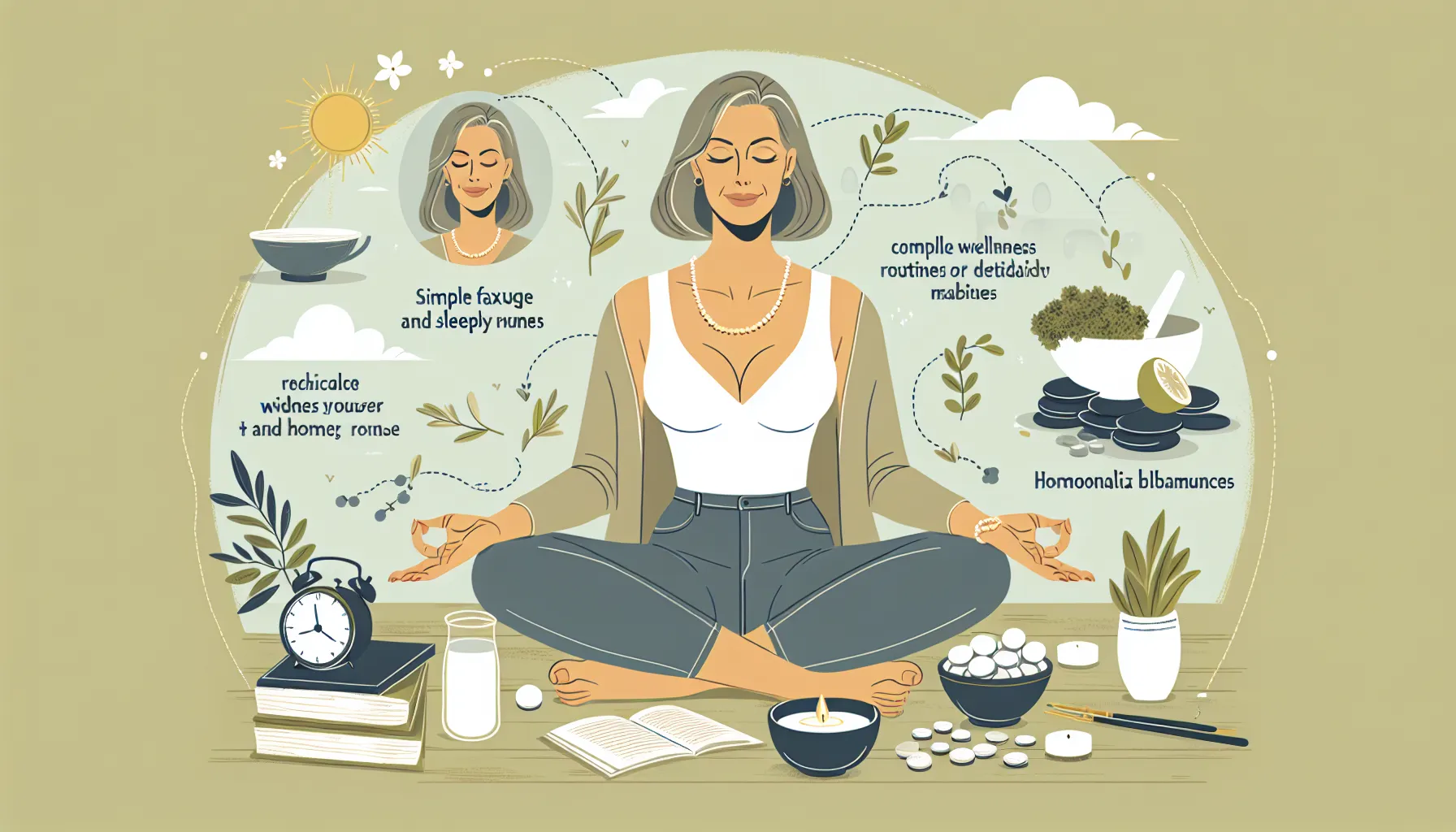
Finally, consider incorporating mindfulness or meditation into your day. Even just five to ten minutes of sitting quietly and focusing on your thoughts can provide a powerful reset. There are many apps available that guide you through meditation sessions, making it easier than ever to get started. Regular practice can lead to lasting benefits, helping you to approach daily stresses with a calmer mindset.
- Deep breathing can be practiced anywhere to calm the mind and body.
- Progressive muscle relaxation helps release built-up tension.
- Mindfulness and meditation provide a powerful reset and lasting benefits.
Healing Dietary Tips for Mind and Body
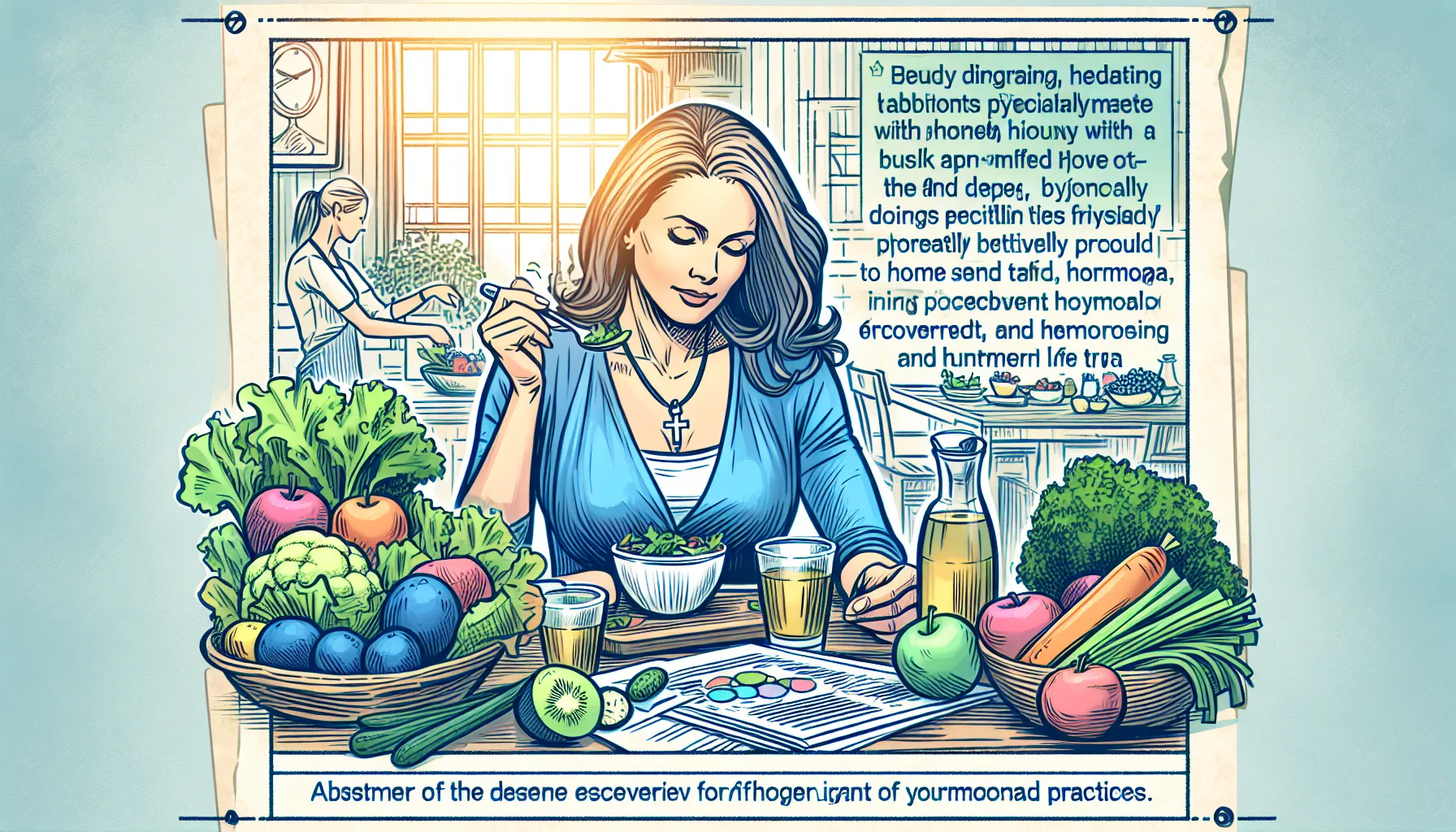
What we eat can significantly influence our stress levels and overall well-being. Incorporating more whole foods into your diet can help stabilize your mood and energy levels. Focus on fresh fruits and vegetables, whole grains, lean proteins, and healthy fats. These foods provide essential nutrients that support both your physical and mental health, helping to reduce feelings of stress and anxiety.
Hydration is another crucial factor in managing stress. Dehydration can lead to fatigue and irritability, which can exacerbate stress. Aim to drink plenty of water throughout the day, and consider herbal teas known for their calming properties, such as chamomile or peppermint. Creating a hydration habit can be a simple yet effective way to maintain your energy and focus.
Additionally, be mindful of your sugar and caffeine intake. While a quick sugar fix can seem tempting during stressful moments, it can lead to energy crashes that worsen feelings of stress. Instead, opt for snacks that combine protein and fiber, such as nuts or yogurt with fruit, which can provide sustained energy without the rollercoaster effect.
Finally, consider incorporating foods rich in omega-3 fatty acids, like salmon or walnuts, which are known to support brain health and reduce anxiety. By making mindful dietary choices, you can bolster your body’s resilience against stress, setting the stage for a more balanced and energized life.

If you’re looking for more ways to manage stress and improve your overall well-being, you might find this article particularly useful: Stress Relief Tips for Everyday Life! Secrets for 40-Something Women to Refresh Body and Mind. It provides practical strategies to help you unwind and rejuvenate amidst the challenges of daily life.
- Whole foods stabilize mood and energy, helping to reduce stress.
- Staying hydrated prevents fatigue and irritability.
- Mindful snacking can maintain energy levels without sugar crashes.
- Omega-3 fatty acids support brain health and reduce anxiety.
The Impact of Exercise on Stress Reduction
Stretching and Exercises You Can Do at Home
Incorporating exercise into your daily routine is one of the most effective ways to combat stress, especially for women in their 40s. You don’t need a gym membership or fancy equipment; simple stretching and bodyweight exercises can do wonders. Engaging in gentle stretches can relieve muscle tension and improve circulation, making it easier to manage stress. Try dedicating just 10-15 minutes a day to stretch various muscle groups, focusing on areas like your neck, shoulders, and back, which often hold the most tension.
Additionally, bodyweight exercises such as squats, lunges, and push-ups can boost your mood by releasing endorphins, the body’s natural feel-good hormones. These exercises are not only effective but also convenient, allowing you to fit them into your busy schedule at home. Remember, the goal is not just to break a sweat but to create a sense of accomplishment, helping to lift your spirits and ease stress.
- Stretching can relieve muscle tension and improve circulation.
- Short bodyweight exercises can boost mood through endorphin release.
- Fitting exercise into your schedule can create a sense of accomplishment.
The Benefits of Walking
Walking is another fantastic way to incorporate exercise into your daily life, especially if you’re feeling overwhelmed. Taking a stroll, whether around your neighborhood or in a nearby park, not only gets your body moving but also allows you to connect with nature. Studies have shown that spending time outdoors can significantly reduce stress levels, making walking a two-fold solution for managing stress. Just stepping outside can provide a refreshing mental break, allowing you to reset and refocus.
Moreover, walking has the added benefit of being a low-impact exercise, making it suitable for women of all fitness levels. It can be easily adjusted to fit your pace and energy levels, so you can gradually increase your distance or speed as you become more comfortable. Plus, it’s a perfect opportunity to clear your mind or even listen to your favorite podcast, turning a simple walk into an enjoyable self-care ritual.
On top of these benefits, regular walking can improve your cardiovascular health and boost your energy levels, which is vital as we navigate the demands of our busy lives. A routine that includes short walks can help combat fatigue and enhance your overall well-being. So, consider scheduling a daily walk into your calendar, whether it’s during lunch breaks or as a family activity after dinner.
Ultimately, making walking a part of your routine can serve as a powerful stress relief tool. By embracing this simple yet effective form of exercise, you can create a healthier lifestyle that not only manages stress but also promotes physical and emotional well-being.
If you’re interested in enhancing your stress management strategies, you might find our article on Essential Stretching Techniques for Fatigue Recovery Every Woman in Her 40s Should Know! particularly helpful. It delves into effective stretching methods that can complement your exercise routine and further aid in relieving stress and fatigue.
- Walking reduces stress and connects you with nature.
- It’s a low-impact exercise suitable for all fitness levels.
- Walking improves cardiovascular health and boosts energy levels.
- Incorporating walking into your routine promotes overall well-being.
The Influence of Quality Sleep on Stress Relief
How to Create a Sleep-Friendly Environment
Creating a sleep-friendly environment is essential for achieving quality rest, which in turn plays a pivotal role in effective stress relief for women in their 40s. Start by assessing your bedroom setup. Ideally, your sleeping space should be cool, quiet, and dark. Consider using blackout curtains to block out unwanted light and a white noise machine or fan to mask disruptive sounds. A comfortable mattress and pillows that suit your sleeping position can make a significant difference in your sleep quality, allowing you to wake up refreshed and ready to tackle the day.
Furthermore, removing electronic devices from your bedroom can help create a more peaceful atmosphere. The blue light emitted by screens can interfere with your body’s natural sleep-wake cycle, making it harder to fall asleep. Instead, consider keeping your phone in another room or using a traditional alarm clock. This small change can encourage better sleep hygiene and help you establish a more calming environment conducive to relaxation and restorative sleep.
Finally, incorporating calming scents through essential oils or candles can enhance your sleep environment. Lavender, chamomile, and sandalwood are known for their relaxing properties and can help signal to your body that it’s time to wind down. By creating a sleep sanctuary that prioritizes comfort and tranquility, you’ll be laying the groundwork for improved sleep quality, which is crucial for managing stress effectively.
- A cool, quiet, and dark environment is ideal for sleep.
- Remove electronic devices to improve sleep hygiene.
- Use calming scents to create a relaxing atmosphere.
Pre-Sleep Routines
Establishing a pre-sleep routine is another crucial aspect of promoting quality sleep and enhancing stress relief. Consider dedicating the last hour before bed to activities that help signal to your body that it’s time to wind down. This could involve reading a book, practicing gentle yoga, or engaging in light stretching to release any residual tension from the day. Establishing this routine can help create a consistent signal for your body, making it easier to transition into sleep.
Moreover, avoiding stimulating activities, such as intense exercise or work-related tasks, is vital. These activities can raise your heart rate and keep your mind active, making it harder to fall asleep. Instead, try to engage in calming practices, such as meditation or journaling, to reflect on the day and release any lingering thoughts. This practice can help clear your mind, making it easier to drift off into restful sleep.
Additionally, consider limiting your caffeine and alcohol intake in the hours leading up to bedtime. While both can initially make you feel relaxed, they can disrupt your sleep cycle and lead to restless nights. Opt for herbal teas or warm milk as a soothing alternative to help prepare your body for sleep. By being mindful of your pre-sleep activities and habits, you’ll pave the way for a more restorative night’s sleep, ultimately enhancing your ability to manage stress effectively.
- Engage in calming activities before bed to signal it’s time to wind down.
- Avoid stimulating tasks and reflect on your day through journaling.
- Limit caffeine and alcohol intake to improve sleep quality.
- Consider herbal teas as soothing alternatives to promote relaxation.
Conclusion
In summary, managing stress effectively is essential for women in their 40s who are navigating the complexities of work, family, and personal responsibilities. By incorporating simple yet powerful techniques such as relaxation methods, mindful eating, regular exercise, and quality sleep routines, you can significantly reduce stress levels and enhance your overall well-being. Remember, finding what works best for you is crucial, as everyone’s experience with stress is unique.
As you’ve explored in this article, prioritizing self-care and making small adjustments to your daily habits can lead to profound changes in how you handle stress. Embrace these practices and allow yourself the opportunity to cultivate a healthier and more balanced life.
- Stress relief techniques include deep breathing, progressive muscle relaxation, and mindfulness.
- Incorporating whole foods and staying hydrated can stabilize mood and energy levels.
- Regular exercise and quality sleep significantly enhance your ability to manage stress.
We’d love to hear your thoughts! Please feel free to leave a comment below and share your own stress relief strategies or any questions you may have.